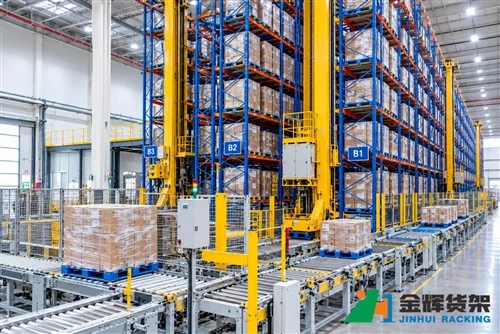
Standard Warehouse Rack Height: How to Choose the Right Pallet Racking Height
Warehouse rack height is one of the most important factors in designing an efficient storage system. The right height can maximize vertical space, improve workflow, and reduce operational risks. However, there is no single "perfect" height - it depends on your warehouse conditions, equipment, and storage needs.
What Is the Standard Warehouse Rack Height?
In most warehouses, pallet racking height typically falls within a standard range:
- Low-level racking: 2–4 meters (manual handling or small warehouses)
- Medium-height racking: 5–8 meters (standard forklift operations)
- High-level racking: 8–12 meters (high-density storage systems)
- High-bay warehouses: 12–30 meters (automated or AS/RS systems)
For most conventional warehouses, pallet rack heights between 3 to 12 meters are the most common.
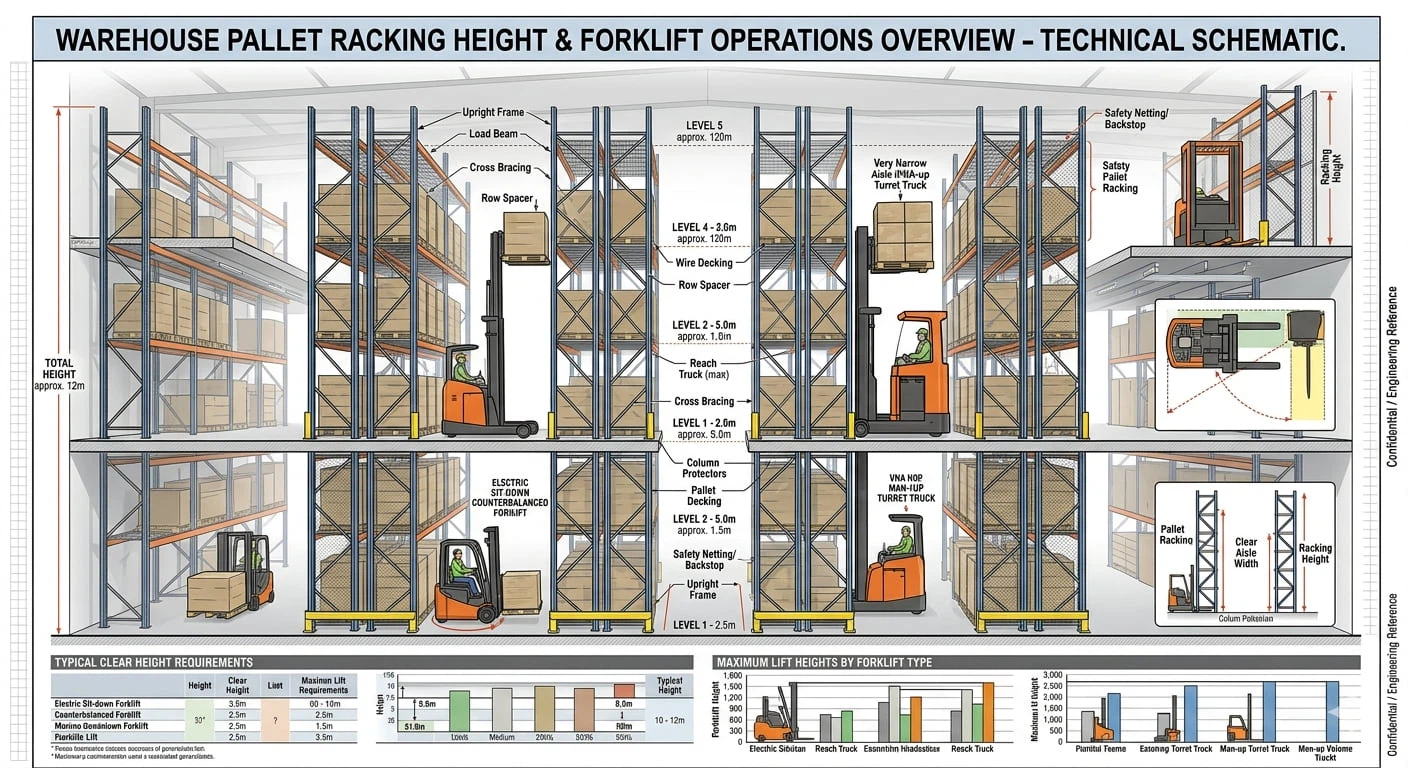
Standard Height per Rack Level
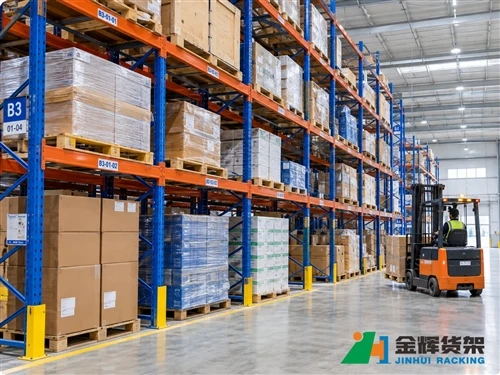
Each level of pallet racking is typically designed based on pallet height and forklift clearance.
- Typical pallet height: 1.2 – 1.5 meters
- Recommended clearance: 100–150 mm
- Common level height: 1.5 – 2 meters
This ensures safe loading and unloading while maximizing vertical storage efficiency.
Key Factors That Determine Rack Height
1. Warehouse Ceiling Height
The usable height is not just the building height. You must consider:
- Beams and structural obstacles
- Fire sprinkler systems
- Lighting and ventilation systems
2. Forklift Lifting Height
Your forklift determines how high you can safely operate:
- Standard forklift: up to 3–5 meters
- Reach truck: up to 8–10 meters
- VNA equipment: up to 12+ meters
3. Pallet Size and Load Height
The height of your goods directly affects rack spacing. Always calculate:
Pallet height + cargo height + safety clearance
4. Warehouse Operation Type
- Fast-moving goods: lower racks for quick access
- Bulk storage: higher racks for maximum density
5. Safety and Regulations
In some regions, racks above certain heights require structural calculations or seismic protection systems.
Typical Rack Height by Industry
| Industry | Warehouse Height | Recommended Rack Height |
|---|---|---|
| E-commerce | 6–8 m | 5–7 m |
| Manufacturing | 8–12 m | 7–10 m |
| Cold Storage | 4–6 m | 3–5 m |
| Food & Beverage | 6–10 m | 6–8 m |
These values provide a practical reference when planning your warehouse layout.
Common Mistakes When Choosing Rack Height
- ❌ Ignoring forklift limitations
- ❌ Not considering future expansion
- ❌ Over-designing height without operational efficiency
- ❌ Forgetting safety clearance
How to Choose the Right Warehouse Rack Height
To select the best rack height, follow these steps:
- Measure your warehouse's usable height
- Confirm your forklift lifting capacity
- Evaluate pallet size and load height
- Define storage density vs accessibility needs
- Consult a professional racking manufacturer
Why Proper Rack Height Matters
- Maximizes warehouse storage capacity
- Improves picking and handling efficiency
- Reduces operational risks
- Optimizes long-term investment
Get a Custom Pallet Racking Solution
If you are planning a new warehouse or upgrading your storage system, choosing the right rack height is critical.
👉 Explore our Heavy Duty Pallet Racking Systems
Our team provides customized warehouse racking solutions based on your space, load requirements, and operational needs.
Contact Us
📩 Email: info@jhrack.com
💬 WhatsApp: Chat with us on WhatsApp