Understanding Cantilever Rack Configurations
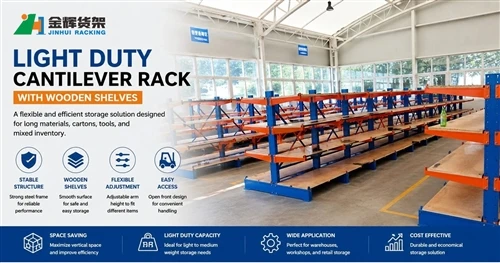
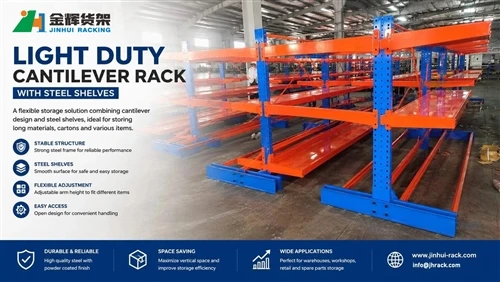
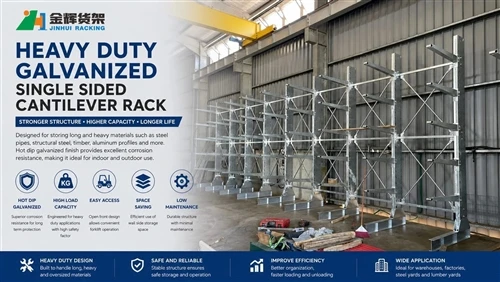
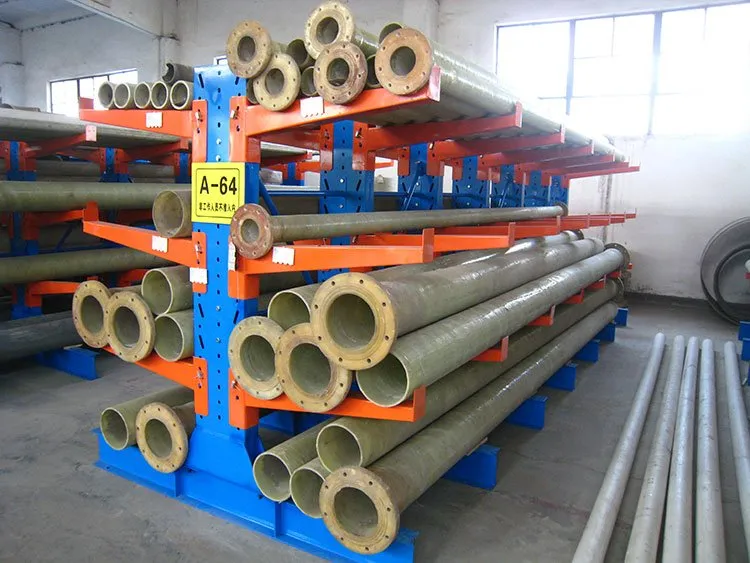
Cantilever rack systems are widely used for storing long materials such as steel pipes, structural steel, timber, aluminum profiles, and construction products.
Unlike traditional pallet racks, cantilever racks feature horizontal arms extending from vertical columns, creating an open-front design that allows easy forklift access.
There are two primary cantilever rack configurations:
- Single-sided cantilever racks
- Double-sided cantilever racks
Understanding the differences between these designs is essential for maximizing storage efficiency and achieving the best return on investment.
What Is a Single-Sided Cantilever Rack?
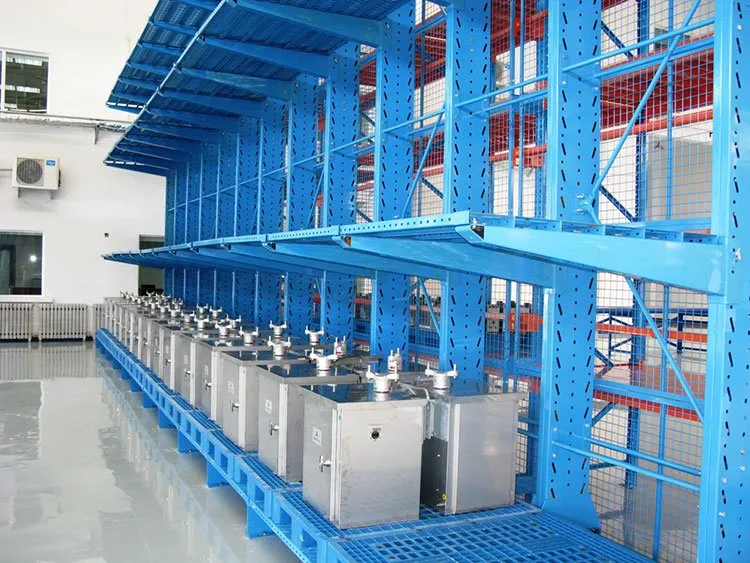
A single-sided cantilever rack has storage arms extending from only one side of the vertical column.
To maintain stability, the base extends in the opposite direction, creating a balanced structure.
Single-sided systems are typically installed against walls or along the perimeter of a warehouse.
Common applications include:
- Wall-mounted storage layouts
- Narrow warehouse spaces
- Limited outdoor storage areas
- Supplementary storage zones
What Is a Double-Sided Cantilever Rack?
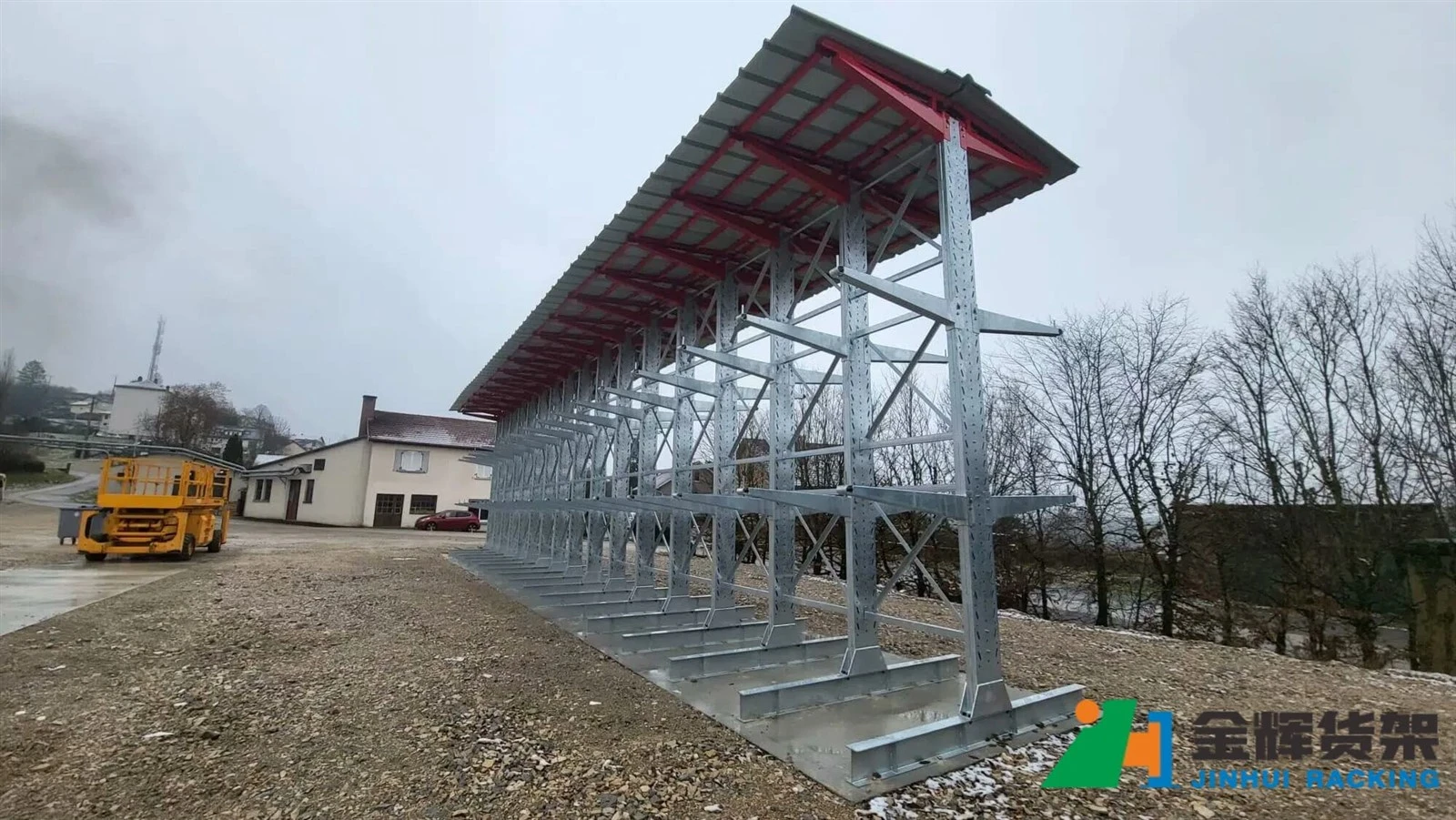
A double-sided cantilever rack features storage arms on both sides of the column.
This configuration allows inventory to be stored on each side, significantly increasing storage capacity within the same footprint.
Double-sided racks are commonly installed in the center of warehouse aisles or outdoor storage yards.
Typical applications include:
- Lumber yards
- Steel service centers
- Pipe storage facilities
- Construction material depots
- Manufacturing warehouses
Many companies choose double-sided systems because they provide the highest storage density for long materials.
Single-Sided vs Double-Sided Cantilever Rack: Key Differences
| Feature | Single-Sided Rack | Double-Sided Rack |
|---|---|---|
| Storage Arms | One Side | Both Sides |
| Installation Location | Against Walls | Center of Storage Area |
| Storage Capacity | Moderate | High |
| Space Utilization | Good | Excellent |
| Load Balance | Requires Larger Base | Naturally Balanced |
| Best for Outdoor Yards | Limited | Excellent |
| Investment Cost | Lower Initial Cost | Higher Initial Cost |
Storage Density Comparison
Storage density refers to the amount of inventory that can be stored within a given area.
Double-sided cantilever racks generally provide greater storage density because both sides of the structure can be utilized.
For large outdoor storage yards or high-volume operations, double-sided systems often deliver a lower storage cost per square meter.
Single-sided racks, however, make excellent use of wall space that might otherwise remain unused.
Load Capacity and Stability Considerations
Both single-sided and double-sided racks can be engineered for heavy-duty applications.
However, their structural behavior differs.
Double-sided racks distribute loads evenly on both sides of the column, which improves overall stability.
Single-sided systems place all loads on one side, requiring larger bases and stronger anchoring.
Load capacity depends on multiple factors, including:
- Arm length
- Column height
- Material weight
- Load distribution
- Rack spacing
- Environmental conditions
To better understand how these factors affect capacity, read our guide: How Much Weight Can a Cantilever Rack Hold? Load Capacity Explained.
Indoor vs Outdoor Applications
Both configurations can be installed indoors or outdoors, but application requirements often influence the final choice.
Single-Sided Racks Are Ideal For:
- Warehouse walls
- Limited floor space
- Smaller inventory volumes
- Dedicated storage zones
Double-Sided Racks Are Ideal For:
- Outdoor storage yards
- Large warehouses
- High-volume operations
- Steel and lumber storage
- Future expansion plans
For outdoor installations, hot-dip galvanized finishes are strongly recommended to improve corrosion resistance.
You can learn more in our article: Outdoor Galvanized Cantilever Racks for Lumber, Steel, and Pipe Storage.
Cost Comparison
Single-sided cantilever racks generally have lower upfront costs because they require fewer structural components.
However, evaluating only the initial purchase price can be misleading.
Double-sided racks often provide greater long-term value by maximizing storage density and reducing the required storage footprint.
| Cost Factor | Single-Sided Rack | Double-Sided Rack |
|---|---|---|
| Initial Investment | Lower | Higher |
| Storage Density | Moderate | Higher |
| Cost per Storage Position | Higher | Lower |
| Expansion Flexibility | Moderate | Excellent |
How to Choose the Right Configuration
Before selecting a cantilever rack configuration, consider the following questions:
- Will the rack be installed indoors or outdoors?
- How much floor space is available?
- What materials will be stored?
- What are the maximum load weights?
- What type of forklifts will be used?
- Do you expect future growth?
In general, single-sided racks are best for wall-mounted storage applications, while double-sided racks provide superior efficiency for large-scale storage operations.
Can You Combine Both Configurations?
Yes. Many facilities successfully use both single-sided and double-sided cantilever racks.
For example, a warehouse may install single-sided racks along perimeter walls while placing double-sided racks in the center aisles.
This hybrid approach maximizes space utilization and creates a flexible storage environment.
Conclusion
Both single-sided and double-sided cantilever racks offer excellent solutions for storing long and oversized materials. The right choice depends on your available space, inventory characteristics, storage density requirements, and future expansion plans.
If you need to maximize capacity in a large warehouse or outdoor yard, double-sided cantilever racks are typically the preferred option. If you want to utilize wall space efficiently or have limited floor area, single-sided systems may be the better choice.
A properly engineered cantilever rack system can significantly improve warehouse organization, material handling efficiency, and long-term operational performance.
Frequently Asked Questions
Are double-sided cantilever racks stronger than single-sided racks?
Not necessarily. Both configurations can support heavy loads, but double-sided racks naturally distribute weight more evenly and often provide greater stability.
Can single-sided cantilever racks be used outdoors?
Yes. However, double-sided galvanized systems are generally preferred for large outdoor storage yards.
Which configuration provides higher storage density?
Double-sided cantilever racks provide higher storage density because inventory can be stored on both sides of the rack.
Can I expand a single-sided cantilever rack system later?
Yes. Modular cantilever rack systems can often be expanded by adding additional columns and arms.
What industries commonly use double-sided cantilever racks?
Lumber yards, steel service centers, construction material suppliers, and pipe distributors frequently use double-sided cantilever racks.