Pallet racking is one of the crucial equipment in modern warehouse logistics.
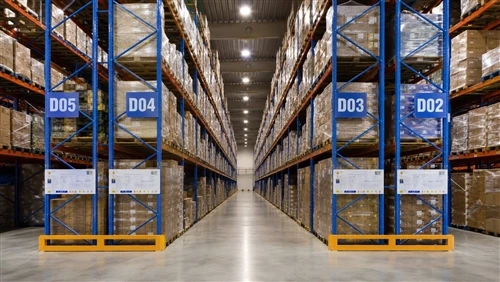
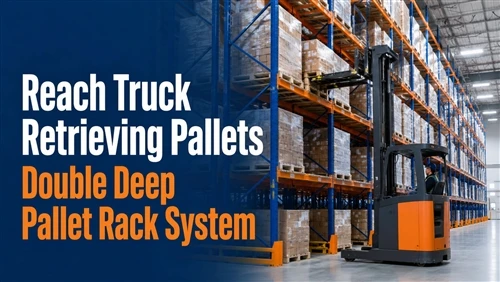
It is mainly used for storage and management of pallet goods. Pallet racking is usually composed of columns, beams and pallet supports. Column is the main support structure of the rack, with high strength and stability, able to withstand the weight of a large number of goods. The beams are connected horizontally between the columns to provide a platform for placing the pallets. Pallets can be placed directly on the beams, which is convenient for storage and handling of goods.
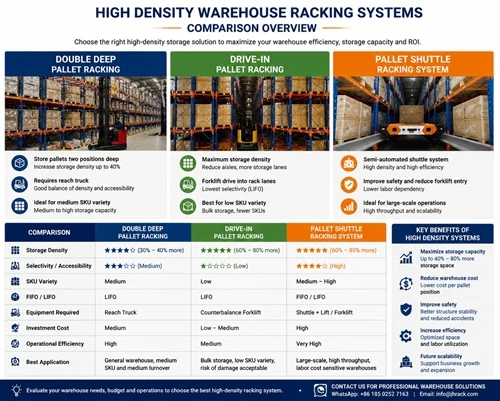
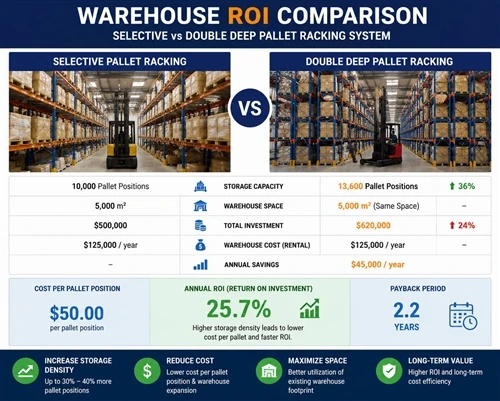
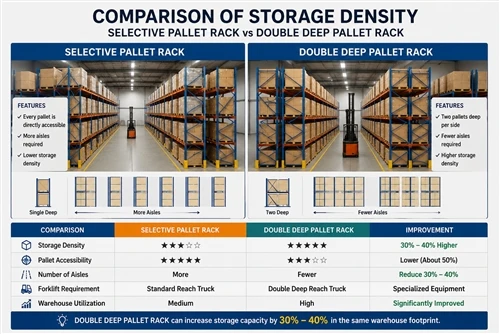
Pallet racking has many advantages. Firstly, it can make full use of the vertical space of the warehouse and improve the storage capacity. Through reasonable design and layout, goods can be stored in layers, greatly increasing the storage density of the warehouse. Secondly, pallet racking facilitates access to goods. Forklifts and other handling equipment can easily shuttle between the shelves, placing the palletised goods quickly and accurately in the designated position or taking them out, improving the efficiency of logistics operations. Furthermore, it has good versatility and is suitable for various types and sizes of palletised goods, which can meet the warehousing needs of different industries.
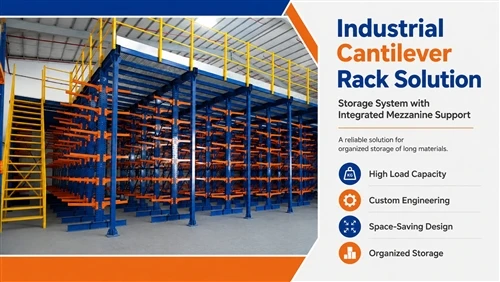
In practical application, there are different types of pallet racking, such as heavy-duty pallet racking, light-duty pallet racking, etc., which can be selected according to the weight of goods and storage requirements. At the same time, in order to ensure the safe use of shelves, regular inspection and maintenance is required, including checking whether the connection of columns and beams is firm, whether the load capacity of the shelves meets the requirements, etc. Pallet racking plays an indispensable role in the field of warehousing and logistics, providing efficient and reliable solutions for the storage and management of goods, helping enterprises to improve the efficiency of logistics operations and reduce warehousing costs.