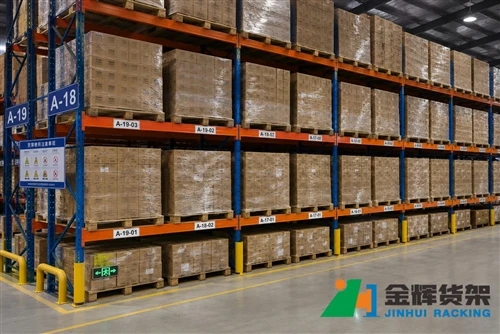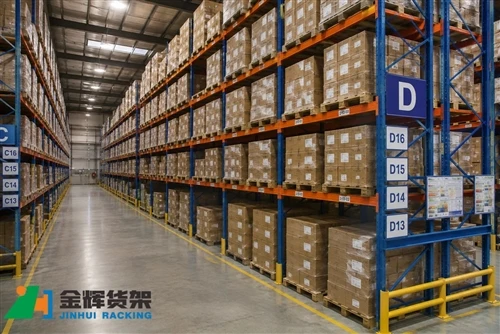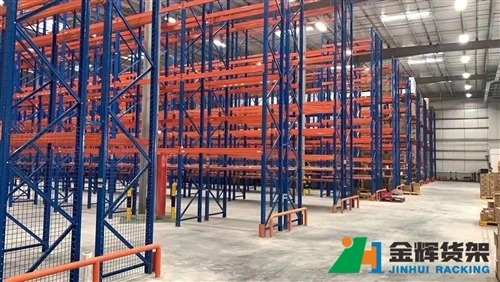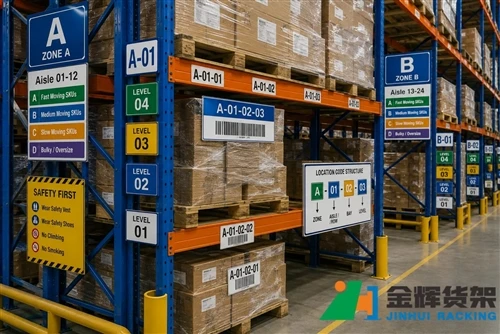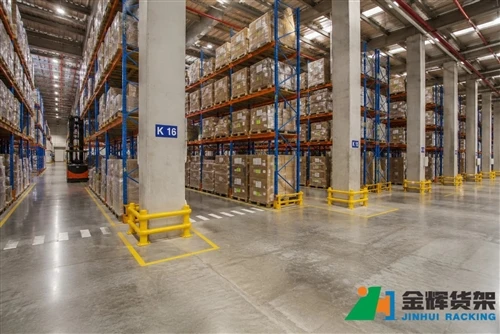
Pallet racks are essential components in modern warehousing. These structures, typically made of steel, are designed to store palletized goods in a systematic and space-efficient manner. They come in various configurations, such as selective racks, drive-in racks, and push-back racks, each catering to different storage needs and inventory turnover rates.
Selective racks offer easy access to individual pallets, making them suitable for high-pick-frequency operations. Drive-in racks, on the other hand, maximize storage density by allowing forklifts to drive directly into the rack system. Push-back racks provide a compromise between selectivity and density.
However, pallet racks also face challenges. Improper installation can lead to instability and potential collapse, posing a serious safety hazard. Overloading beyond the rack's capacity can damage the structure and compromise the integrity of stored goods. Regular inspections and maintenance are crucial to identify and address issues like bent frames or corroded components.
In conclusion, while pallet racks serve as the backbone of warehouse storage, strict adherence to installation guidelines, proper load management, and routine upkeep are essential to ensure their safe and efficient operation.