Why Pallet Racking Layout Matters More Than You Think
Many warehouses invest heavily in pallet racking systems but overlook layout planning. A poorly designed layout can lead to wasted space, inefficient forklift movement, and increased operational risks.
An optimized layout improves storage density, reduces travel time, and ensures smooth workflow. If you are still in the planning stage, it is recommended to first understand how to design a high-efficiency warehouse racking system.
Key Factors in Warehouse Racking Layout Optimization
1. Aisle Width and Forklift Accessibility
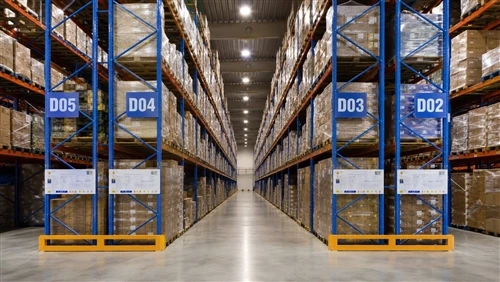
Aisle width directly affects warehouse efficiency. Narrow aisles increase storage capacity but require specialized equipment, while wider aisles improve accessibility but reduce density.
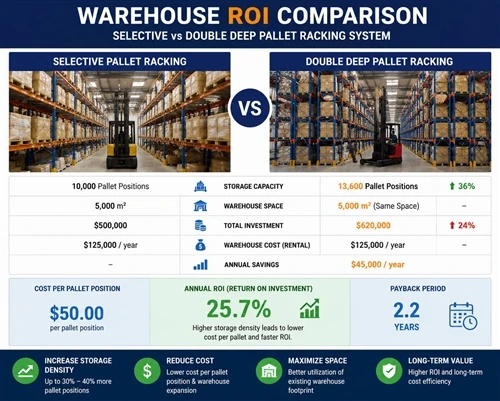
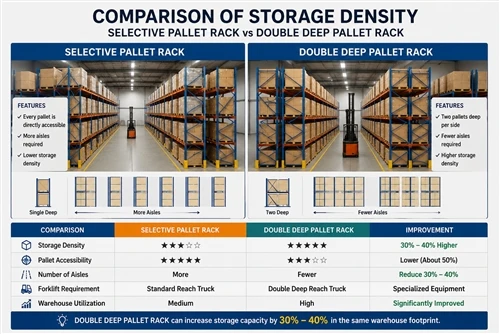
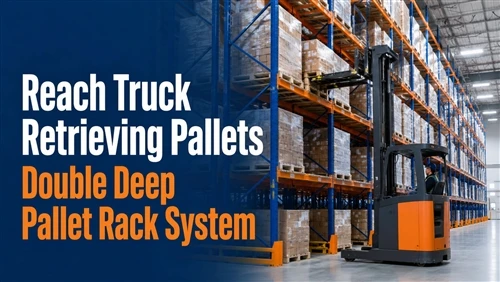
Balancing aisle space is critical, especially when comparing different systems like selective vs double deep pallet racking.
2. Storage Density vs Accessibility
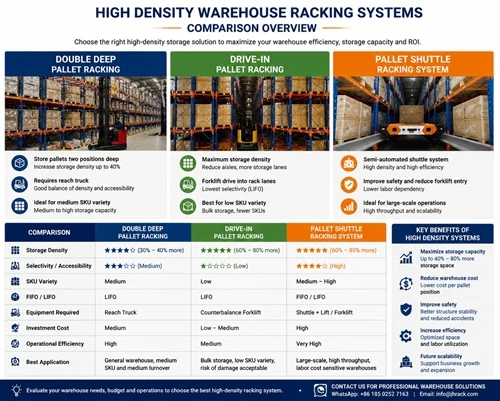
Selective pallet racking offers 100% accessibility but lower density. High-density systems like drive-in racking improve storage capacity but limit access.
To understand this trade-off, you can also read drive-in vs drive-through racking comparison.
3. Warehouse Workflow and SKU Movement
Fast-moving products should be placed in easily accessible locations, while slow-moving inventory can be stored in higher or deeper positions.
This strategy is especially important in industries like e-commerce and logistics, where picking speed directly impacts performance.
Layout Strategies for Maximum Efficiency
Use Zoning for Better Organization
Divide your warehouse into zones based on product type, turnover rate, or order frequency. This reduces travel time and improves picking efficiency.
Optimize Vertical Space
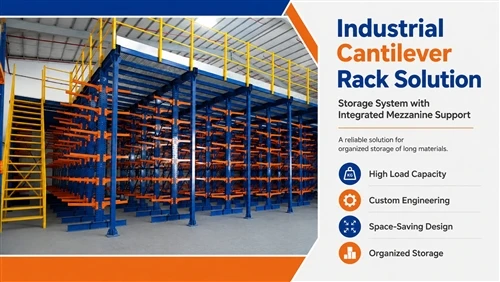
Many warehouses underutilize vertical space. Increasing rack height can significantly improve storage capacity without expanding floor space.

Implement the Right Racking System
Choosing the right system is essential. If you are unsure, check our guide on types of pallet racking systems to compare different options.
Common Mistakes in Racking Layout Design
- Ignoring forklift turning radius
- Overcrowding racks without safety spacing
- Not considering future expansion
- Poor product flow planning
Avoiding these mistakes can save significant costs. You can also explore common warehouse racking design mistakes for more insights.
Real-World Tip: Plan for Scalability
A good warehouse layout is not only efficient today but also adaptable for future growth. Modular pallet racking systems allow easy expansion and reconfiguration.
Conclusion
Optimizing your pallet racking layout is one of the most effective ways to improve warehouse efficiency. By balancing storage density, accessibility, and workflow, you can create a system that supports long-term business growth.
If you are planning a new warehouse or upgrading your existing system, investing time in layout design will deliver significant operational and financial benefits.