Determining the load capacity of a heavy - duty cantilever rack is crucial for safe and efficient storage. Firstly, one should look at the materials used. The quality and thickness of the steel for the columns and cantilever arms play a significant role. Thicker and higher - grade steel generally has greater strength and can support heavier loads.
The design of the rack is also a key factor. The structure of the columns, such as the presence of reinforcing ribs, affects their stability and load - bearing capacity. The connection between the cantilever arms and the columns is important as well. A well - designed and firmly attached connection can distribute the weight evenly and enhance the overall load capacity.
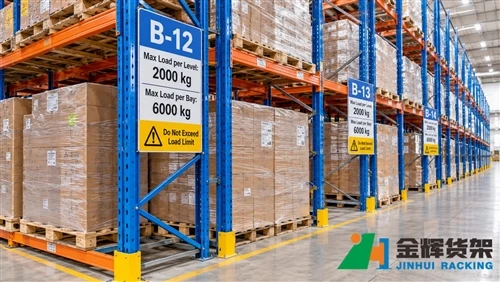
Manufacturer specifications are an essential source of information. They often provide details about the maximum load capacity the rack is designed to handle. Additionally, static load testing reports, if available, can offer valuable insights. These tests simulate real - world loading conditions and show how the rack behaves under different weights.
Finally, considering the intended use and the types of items to be stored is necessary. The size, shape, and weight distribution of the stored goods can impact the effective load capacity of the cantilever rack. By taking all these factors into account, one can accurately determine the load capacity of a heavy - duty cantilever rack and make an informed decision for storage needs.