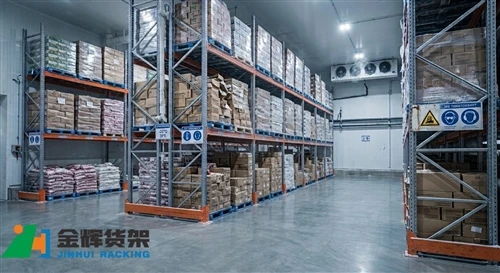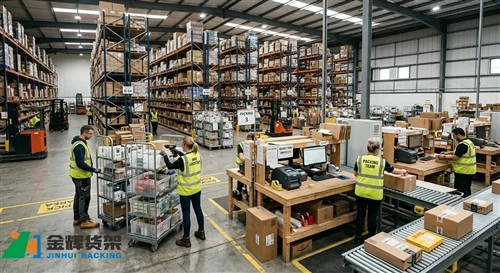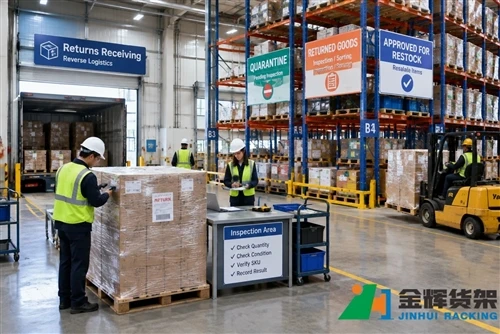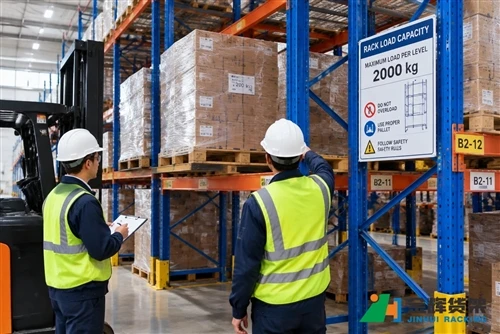
Cold storage warehouses have different requirements from standard warehouses because storage systems must operate under low-temperature conditions while maintaining product protection, operational efficiency, and reliable inventory access.
Choosing the right pallet racking system for cold storage requires consideration of temperature conditions, humidity, corrosion protection, storage density, forklift operation, and the specific requirements of industries such as food, pharmaceuticals, and frozen products.
This guide explains how to select pallet racking for cold storage warehouses, including suitable rack types, material considerations, space utilization methods, and planning factors for temperature-controlled environments.
What Makes Cold Storage Warehouses Different?
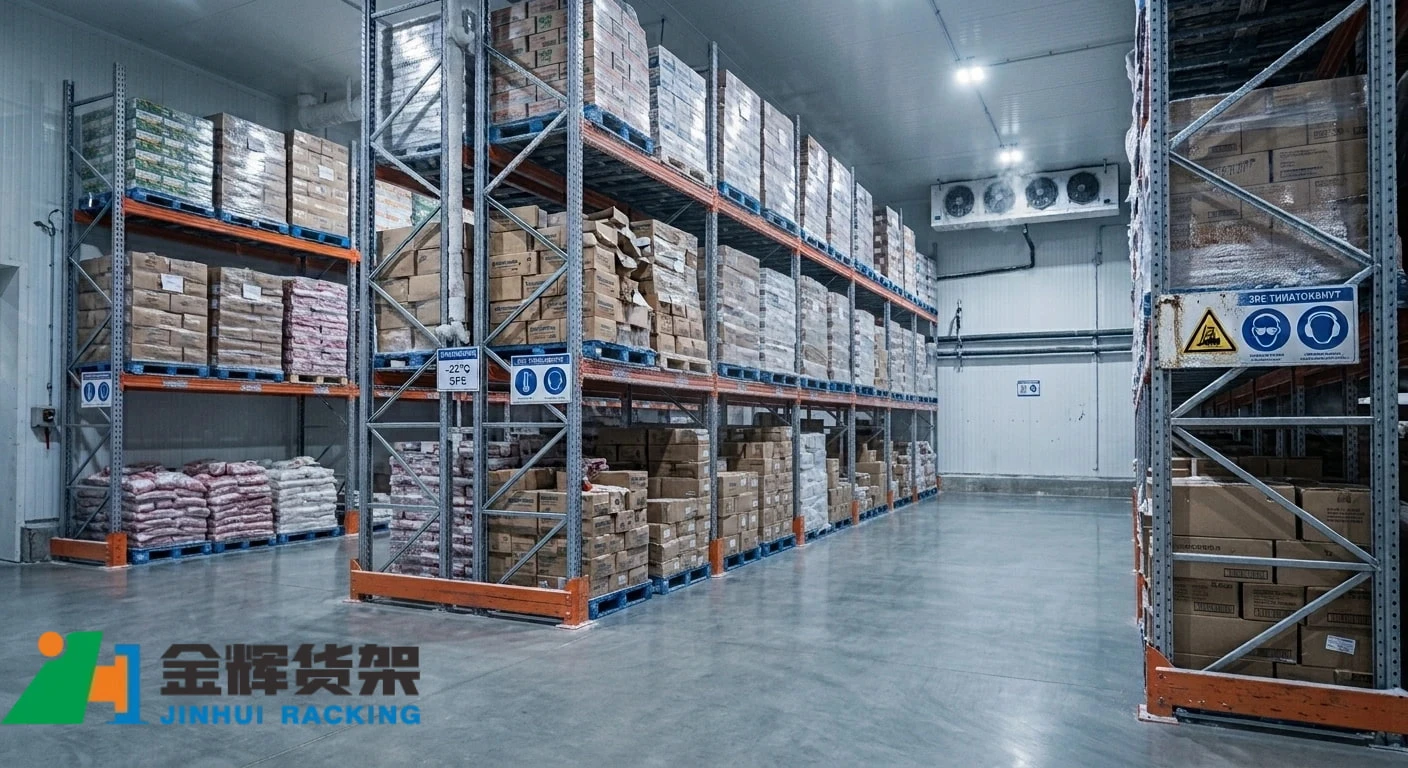
Cold storage warehouses are designed to maintain products within controlled temperature ranges. Unlike normal warehouses, they operate under conditions that can affect both stored goods and storage equipment.
Common cold storage environments include:
- Frozen food warehouses
- Refrigerated food storage facilities
- Pharmaceutical storage rooms
- Cold chain distribution centers
- Temperature-controlled manufacturing storage
The pallet racking system used in these facilities must support warehouse operations while remaining suitable for low-temperature environments.
What Are the Main Challenges of Pallet Racking in Cold Storage?
Cold environments create several challenges that need to be considered during rack selection.
Important factors include:
- Low temperatures
- High humidity
- Condensation
- Limited working space
- Frequent forklift movement
- Long operating hours
Because cold storage warehouses often have higher operating costs than standard warehouses, efficient space utilization and reliable equipment selection are especially important.
Why Is Corrosion Protection Important for Cold Storage Racks?
Humidity and temperature changes can affect steel components over time. Condensation may occur when warm air enters cold storage areas or when temperature conditions change.
For this reason, cold storage rack systems often require additional protection against environmental conditions.
Important considerations include:
- Steel surface protection
- Appropriate coating methods
- Component durability
- Regular maintenance planning
The selected rack finish should match the warehouse environment and operating requirements.
Which Pallet Rack Types Are Suitable for Cold Storage?
Different cold storage applications require different rack solutions. The correct choice depends on product type, storage density requirements, access frequency, and warehouse layout.
Selective Pallet Racking
Selective pallet racking is widely used in cold storage warehouses where direct access to individual pallets is required.
Advantages include:
- Direct pallet access
- Flexible storage locations
- Easy inventory rotation
- Suitable for many product categories
For warehouses requiring high accessibility, selective pallet racking is commonly considered as a practical solution.
Drive In Pallet Racking
Cold storage facilities often need to maximize expensive storage space. Drive in pallet racking can provide higher storage density by reducing the number of aisles required.
This system is suitable for warehouses storing large quantities of similar products.
More information about this storage method can be found through the drive in pallet racking system solution.
Pallet Flow Racking
Pallet flow systems use gravity rollers to move pallets through storage lanes, supporting first-in-first-out inventory rotation.
This can be useful for industries where product freshness and inventory sequence are important.
Warehouses requiring FIFO management may consider pallet flow racking for cold chain applications.
How to Improve Space Utilization in Cold Storage Warehouses?
Cold storage space is usually expensive because refrigeration costs increase with warehouse volume. Efficient rack planning can help maximize available space.
Common space optimization methods include:
- Increasing vertical storage height
- Reducing unnecessary aisle space
- Using high-density rack systems
- Planning pallet positions carefully
- Improving warehouse traffic flow
The goal is to balance storage capacity with safe forklift operation and product accessibility.
How Does Temperature Affect Rack Selection?
Temperature conditions influence material selection, operating procedures, and warehouse design.
When selecting racks, consider:
- Operating temperature range
- Humidity conditions
- Storage duration
- Cleaning requirements
- Product handling methods
A rack system designed for a normal warehouse may not always be the best choice for a temperature-controlled environment.
Cold Storage Racking for Food Industry Applications
Food storage facilities often require reliable pallet racking because products may need strict temperature control and organized inventory rotation.
Common applications include:
- Frozen seafood storage
- Meat storage warehouses
- Dairy product storage
- Frozen food distribution centers
Rack selection should support product protection, efficient handling, and warehouse hygiene requirements.
Cold Storage Racking for Pharmaceutical Applications
Pharmaceutical cold storage requires careful management because temperature-sensitive products often require controlled storage conditions.
Important considerations include:
- Accurate product location management
- Reliable pallet access
- Clear storage organization
- Stable warehouse operation
The rack system should support the operational requirements of temperature-sensitive inventory.
How Forklift Operations Affect Cold Storage Rack Planning
Forklift operations in cold environments require careful planning because visibility, working conditions, and available space may differ from normal warehouses.
Rack planning should consider:
- Forklift turning space
- Aisle width
- Pallet handling frequency
- Operator safety
- Traffic separation
A well-planned layout improves both storage efficiency and daily warehouse operation.
Common Cold Storage Pallet Rack Planning Mistakes
Choosing Racks Without Considering Temperature Conditions
Cold environments have different requirements compared with standard warehouses, and rack selection should reflect actual operating conditions.
Ignoring Space Efficiency
Poor rack planning can waste valuable refrigerated storage space.
Using the Wrong Rack Type
Different products and inventory methods require different storage solutions.
Not Planning Forklift Movement
Insufficient aisle planning can reduce operational efficiency.
Failing to Consider Future Storage Needs
Cold storage demand may change, so warehouse systems should allow reasonable flexibility.
Cold Storage Pallet Rack Selection Checklist
| Item | Consideration |
|---|---|
| Temperature Environment | Rack system suitable for operating conditions |
| Corrosion Protection | Appropriate surface protection selected |
| Rack Type | Matches storage density and access requirements |
| Forklift Operation | Aisles and movement paths planned correctly |
| Future Expansion | Layout allows changing storage needs |
Frequently Asked Questions About Cold Storage Pallet Racking
Can standard pallet racks be used in cold storage?
The rack system should be evaluated according to temperature, humidity, and operating conditions before use.
Which pallet rack is best for freezer warehouses?
The suitable rack type depends on storage density, pallet access requirements, product type, and warehouse operation methods.
Why is space utilization important in cold storage?
Efficient use of refrigerated space can help improve storage capacity and operational efficiency.
What industries use cold storage pallet racking?
Common industries include food processing, frozen food distribution, pharmaceuticals, and cold chain logistics.
Final Thoughts
Selecting pallet racking for a cold storage warehouse requires more than choosing a standard storage system. Temperature conditions, product requirements, storage density, and operational workflow all influence the final solution.
By selecting suitable rack types, planning storage zones, and considering environmental conditions, warehouses can create reliable and efficient cold storage operations.
Jinhui Rack provides customized pallet racking solutions for different warehouse environments, including cold storage, food storage, manufacturing, and distribution applications.
Contact Jinhui Rack for your warehouse pallet racking project:
- WhatsApp: +86 185 0252 7163
- Email: info@jhrack.com
- Website: https://www.jinhui-rack.com/