Why Calculating Pallet Rack Load Capacity Is Important
Calculating pallet rack load capacity is essential for ensuring warehouse safety and preventing structural failure. Overloading pallet racks can lead to beam deformation, upright damage, or even system collapse.
By understanding how load capacity is calculated, you can design a safer and more efficient storage system.
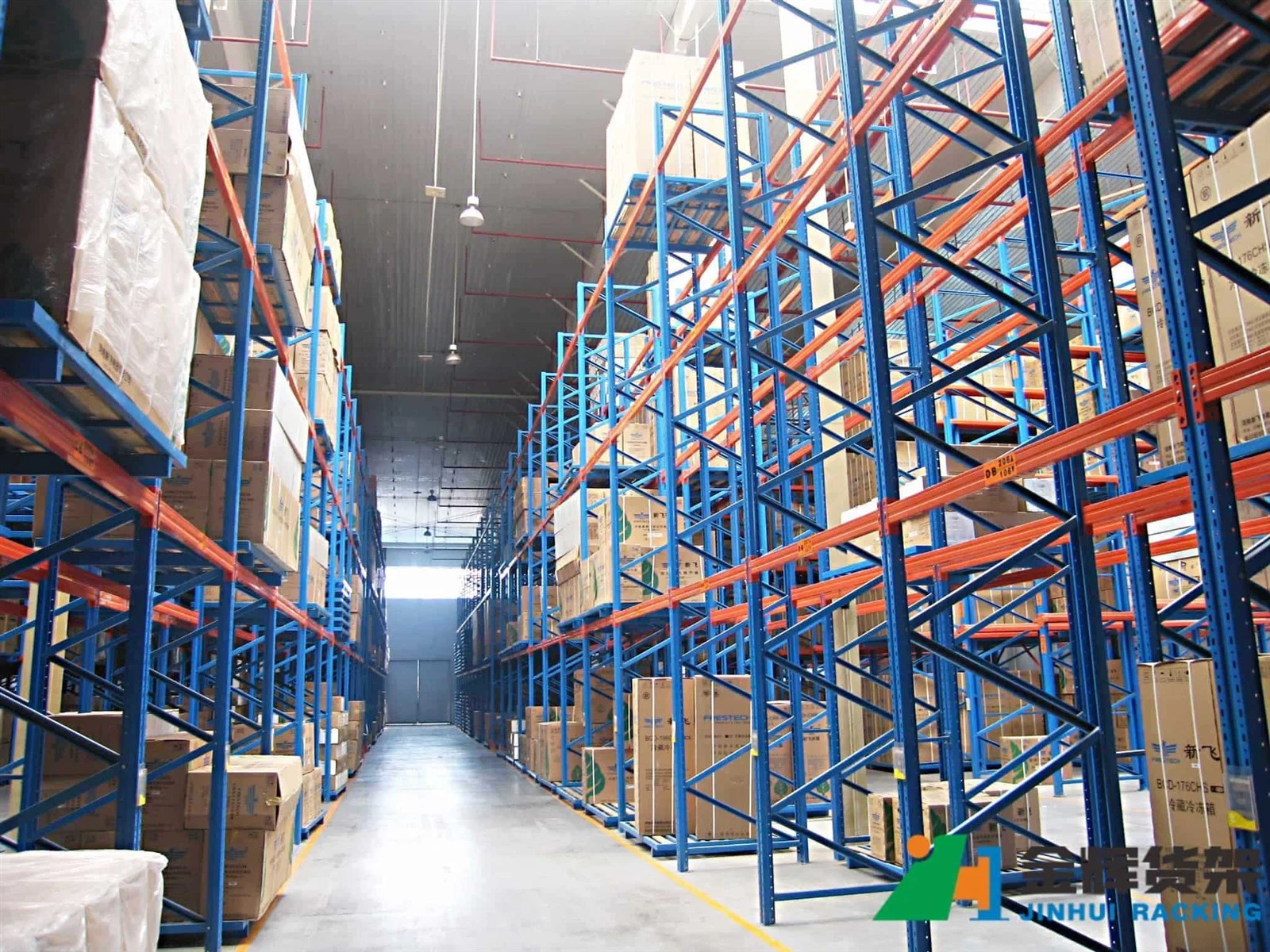
Basic Concept of Pallet Rack Load Capacity
Pallet rack capacity is determined by three main components:
- Beam capacity – the load each beam pair can support
- Upright frame capacity – the total vertical load capacity
- Load distribution – how weight is spread across the beams
The overall rack capacity is always limited by the weakest component in the system.
Basic Load Capacity Formula
The simplest way to estimate pallet rack load capacity is:
Total Load Capacity = Beam Capacity × Number of Beam Levels
However, this is only valid if the upright frame capacity is not exceeded.
Step-by-Step Calculation Method
Step 1: Determine Beam Capacity
Check the manufacturer's rating for each beam pair. For example:
- Beam capacity: 2000 kg per level
Step 2: Count Beam Levels
If your rack has 3 beam levels:
- 3 levels × 2000 kg = 6000 kg total beam capacity
Step 3: Check Upright Frame Capacity
Upright frames also have a maximum load rating, for example:
- Upright capacity: 8000 kg
The final safe load is the lower value:
| Component | Capacity |
|---|---|
| Total Beam Capacity | 6000 kg |
| Upright Capacity | 8000 kg |
| Safe Load Capacity | 6000 kg |
Load Distribution Formula
For safe operation, loads must be evenly distributed across the beams.
Uniform Load per Beam = Total Load ÷ Number of Beam Levels
Uneven loading can significantly reduce actual capacity.
Key Factors That Affect Load Capacity
- Beam length and thickness
- Steel material strength
- Rack height
- Connection type
- Load distribution pattern
Longer beams generally reduce load capacity due to increased bending stress.
Example Calculation
Let's calculate a simple pallet rack system:
- Beam capacity: 2500 kg per level
- Number of levels: 4
- Upright capacity: 9000 kg
Calculation:
- Total beam capacity = 2500 × 4 = 10000 kg
- Upright limit = 9000 kg
Final safe capacity = 9000 kg
Common Mistakes in Load Calculation
- Ignoring upright frame limits
- Assuming all loads are evenly distributed
- Overloading beams beyond rated capacity
- Not accounting for dynamic loads during forklift operation
How to Ensure Safe Load Capacity
- Always follow manufacturer load ratings
- Install load capacity labels on racks
- Perform regular inspections
- Avoid uneven pallet placement
Understanding how much weight a pallet rack can hold can also help validate your calculations.
Choosing the Right Racking System
Different systems have different load capacities and structural designs. Reviewing available pallet racking systems can help you select the correct configuration for your warehouse.
Final Thoughts
Calculating pallet rack load capacity requires understanding beam ratings, upright limits, and load distribution. By following proper calculation methods, you can ensure safe and efficient warehouse storage operations.