Why Regular Pallet Rack Maintenance Is Essential
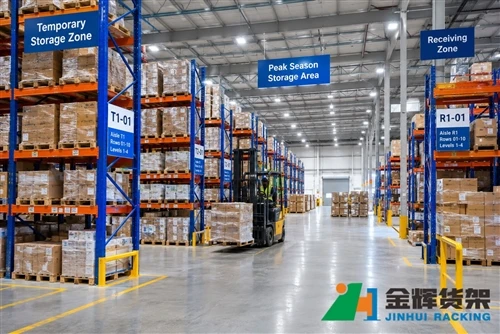
Heavy duty selective pallet racking is one of the most valuable assets in a modern warehouse. Designed to support thousands of kilograms of inventory every day, these storage systems are continuously exposed to forklift traffic, heavy pallet loads, accidental impacts, and changing operational conditions. Without regular maintenance, even minor damage can gradually develop into serious structural problems that compromise warehouse safety and efficiency.
A proactive maintenance program helps warehouse operators identify issues before they become costly repairs. Regular inspections also minimize downtime, extend rack service life, improve employee safety, and ensure compliance with warehouse safety standards.
This guide explains how to establish an effective maintenance program for heavy duty pallet racking and outlines the inspection procedures that every warehouse should follow.

What Causes Pallet Rack Damage?
Although heavy duty pallet racking is engineered for demanding industrial environments, daily warehouse operations inevitably create wear over time. Understanding the most common causes of rack damage allows warehouse managers to implement preventive measures before structural performance is affected.
Typical causes include:
- Forklift collisions with upright frames.
- Overloaded beam levels.
- Improper pallet placement.
- Uneven load distribution.
- Damaged wooden pallets.
- Missing beam safety locks.
- Corrosion in humid environments.
- Unauthorized rack modifications.
Many of these issues develop gradually and may go unnoticed without scheduled inspections.
Our Heavy Duty Selective Pallet Racking System is manufactured using high-strength structural steel and durable powder-coated finishes to provide exceptional long-term durability. However, like any industrial equipment, proper maintenance remains essential for maximizing its service life.
Benefits of Preventive Rack Maintenance
Preventive maintenance focuses on identifying potential problems before they affect warehouse operations. Rather than waiting for visible structural failures, regular inspections allow maintenance teams to correct minor issues quickly and cost-effectively.
Key benefits include:
- Extended rack lifespan.
- Reduced repair costs.
- Improved warehouse safety.
- Lower operational downtime.
- Greater inventory protection.
- Improved forklift efficiency.
- Compliance with safety regulations.
- Reduced risk of structural failure.
A well-maintained racking system often provides decades of reliable service with minimal repair requirements.
Daily Visual Inspections
Daily inspections should be performed by warehouse supervisors or trained operators before normal warehouse activities begin. These quick visual checks help identify obvious damage that requires immediate attention.
Daily inspection items include:
- Visible bent uprights.
- Damaged load beams.
- Missing beam safety locks.
- Loose anchor bolts.
- Damaged upright protectors.
- Obstructed warehouse aisles.
- Missing load capacity labels.
- Leaning rack frames.
If significant damage is discovered, the affected rack bay should be unloaded immediately and inspected by qualified personnel.
Weekly Maintenance Procedures
Weekly inspections provide a more detailed evaluation of the entire warehouse storage system. Maintenance personnel should carefully examine structural components for signs of wear or damage that may not be obvious during daily inspections.
Weekly maintenance typically includes:
- Checking beam connector engagement.
- Inspecting welds for cracks.
- Verifying anchor bolt tightness.
- Inspecting floor conditions.
- Examining rack protection devices.
- Cleaning accumulated debris.
- Inspecting pallet conditions.
- Reviewing previous maintenance records.
Maintaining accurate inspection records helps identify recurring issues and supports long-term warehouse asset management.
Monthly Structural Inspections
Monthly inspections involve a more comprehensive assessment of the pallet racking system. These inspections are often conducted by warehouse maintenance managers or external rack safety specialists.
Structural evaluations should include:
- Upright frame alignment.
- Beam deflection measurements.
- Diagonal bracing condition.
- Corrosion inspection.
- Floor settlement evaluation.
- Rack plumbness verification.
- Load capacity compliance.
- Inspection documentation updates.
Any structural damage exceeding acceptable engineering tolerances should be repaired or replaced immediately.
Recommended Warehouse Rack Inspection Schedule
| Inspection Frequency | Responsible Personnel | Primary Focus |
|---|---|---|
| Daily | Warehouse Supervisor | Visible damage and safety hazards. |
| Weekly | Maintenance Team | Connections, anchors, and protection devices. |
| Monthly | Maintenance Manager | Structural integrity and alignment. |
| Annually | Professional Rack Inspector | Comprehensive engineering assessment. |
How to Identify Common Rack Damage
Warehouse personnel should be trained to recognize early warning signs of rack damage before they develop into serious structural problems. Many rack failures begin as relatively minor issues that gradually worsen after repeated forklift impacts or continuous overloading.
During inspections, maintenance teams should pay close attention to:
- Twisted or bent upright columns.
- Deflected load beams.
- Damaged beam connectors.
- Loose or missing anchor bolts.
- Cracked welds.
- Corrosion on structural components.
- Missing safety pins.
- Damaged rack protection accessories.
Any structural deformation should be evaluated immediately before additional pallets are stored in the affected bay.
Forklift Damage: The Most Common Maintenance Issue
Forklift impacts account for the majority of pallet rack damage in warehouses. Even experienced operators occasionally strike upright frames when entering or exiting storage locations. Although some impacts appear minor, repeated collisions can weaken the rack structure over time.
High-risk impact locations include:
- Aisle entrances.
- Bottom upright columns.
- End-of-row frames.
- Rack corners.
- Cross-aisle intersections.
Installing upright protectors, end-of-row barriers, and guide rails significantly reduces the frequency and severity of forklift-related damage.
When Should Rack Components Be Repaired or Replaced?
Not every damaged component requires complete rack replacement. However, structural members that exceed allowable deformation limits should be replaced immediately rather than repaired on-site without engineering approval.
Components commonly requiring replacement include:
- Severely bent uprights.
- Deformed load beams.
- Broken beam connectors.
- Damaged base plates.
- Missing or damaged anchors.
- Failed diagonal bracing.
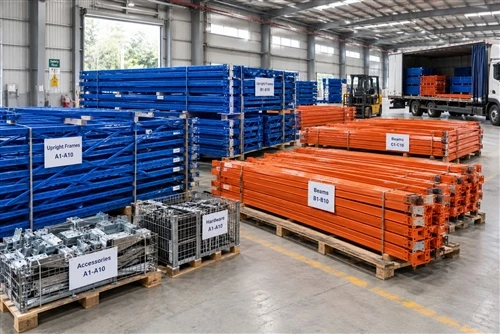
Only original manufacturer components should be used when replacing structural rack parts to maintain the engineered load capacity of the system.
Good Warehouse Practices That Reduce Maintenance Costs
Preventive maintenance is most effective when combined with proper warehouse operating procedures. Small improvements in daily operations can dramatically reduce rack damage over the life of the storage system.
Recommended best practices include:
- Train forklift operators regularly.
- Never exceed rack load capacity.
- Use pallets in good condition.
- Store loads evenly across beam levels.
- Install rack protection accessories.
- Report damage immediately.
- Maintain clear warehouse aisles.
- Schedule routine professional inspections.
These practices not only improve warehouse safety but also reduce repair expenses and increase equipment reliability.
Maintenance Record Management
Maintaining detailed inspection records helps warehouse managers monitor rack conditions over time. Historical maintenance data makes it easier to identify recurring issues, evaluate repair costs, and schedule future inspections.
A maintenance log should include:
- Inspection date.
- Inspector name.
- Rack location.
- Observed damage.
- Recommended corrective action.
- Repair completion date.
- Replacement components used.
- Follow-up inspection results.
Digital maintenance records are increasingly used in large distribution centers to simplify asset management and improve compliance with warehouse safety standards.
Heavy Duty Pallet Rack Maintenance Checklist
| Inspection Item | Recommended Frequency | Purpose |
|---|---|---|
| Upright Inspection | Daily | Detect impact damage early. |
| Beam Connections | Weekly | Ensure structural stability. |
| Anchor Bolts | Monthly | Maintain rack security. |
| Rack Protection Devices | Monthly | Protect against forklift impacts. |
| Professional Engineering Inspection | Annually | Verify long-term structural safety. |
Frequently Asked Questions
How often should heavy duty pallet racks be inspected?
Visual inspections should be performed daily, while more detailed structural inspections should be carried out weekly, monthly, and annually depending on warehouse activity and applicable safety regulations.
Can a bent upright be repaired?
Severely bent uprights should generally be replaced rather than repaired. Any repair or replacement should follow the rack manufacturer's engineering recommendations.
What is the leading cause of pallet rack damage?
Forklift impacts are the most common cause of damage, particularly at aisle entrances and end-of-row locations where maneuvering space is limited.
Should damaged racks remain in service?
No. If structural damage is discovered, the affected rack bay should be unloaded immediately and inspected before being returned to service.
Do rack protectors eliminate maintenance?
No. Protective accessories significantly reduce damage, but routine inspections and preventive maintenance are still necessary to ensure long-term safety and performance.
Conclusion
Regular maintenance is essential for maximizing the performance, safety, and service life of heavy duty selective pallet racking. Through routine inspections, timely repairs, proper operator training, and preventive maintenance, warehouses can minimize costly downtime, reduce structural damage, and maintain safe storage conditions for years to come.
An effective maintenance program is not simply a regulatory requirement-it is a smart investment that protects both warehouse personnel and valuable inventory.
Protect Your Warehouse Investment with Jinhui Rack
Jinhui Rack designs and manufactures heavy duty selective pallet racking engineered for long-term durability and easy maintenance. We also provide professional technical support, inspection recommendations, and replacement components to help customers keep their warehouse storage systems operating safely and efficiently.
Explore our Heavy Duty Selective Pallet Racking System to learn how our engineered storage solutions can improve warehouse safety, maximize storage capacity, and reduce lifetime maintenance costs.
WhatsApp
+8618502527163
Email
info@jhrack.com