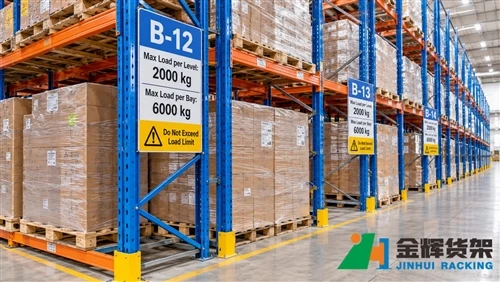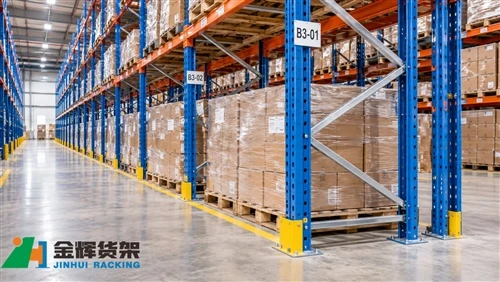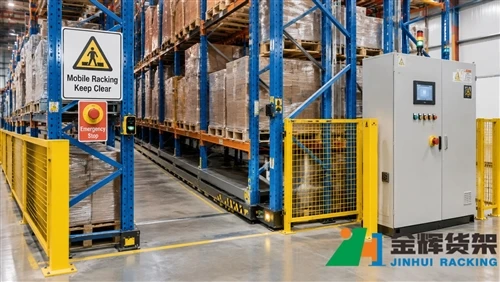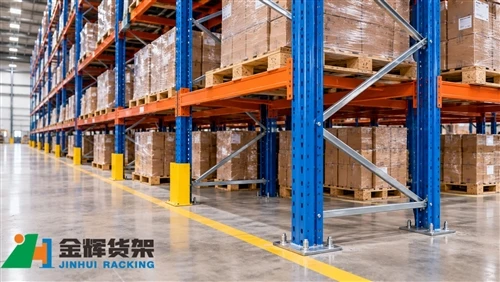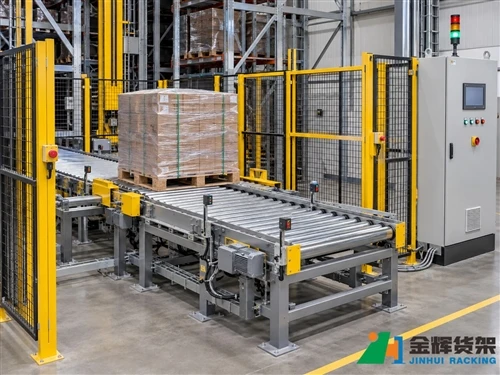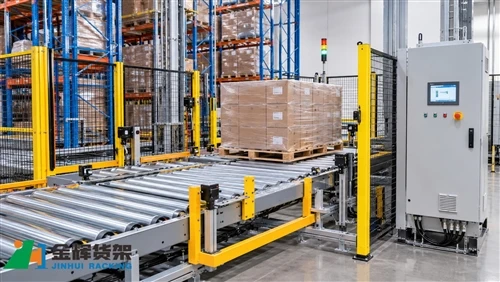
The drive-in rack, also known as a server rack, is a critical component in data centers, providing a secure and organized method of housing and managing computer servers and related equipment. These racks allow for the installation of multiple servers in a dense configuration, optimizing the use of space while ensuring easy access for maintenance and management.
A drive-in rack is typically a metal frame with open shelves designed to hold multiple server units. The frame is supported by four legs and may include additional bracing to provide stability to the overall structure. The server units are typically mounted on the shelves, with each unit having its own dedicated space to ensure proper airflow and ventilation.
The drive-in rack is designed to support various server sizes and configurations, including tower servers, blade servers, and rack-mounted servers. Tower servers are free-standing units that sit outside of the rack, while blade servers are designed to slide into a chassis within the rack, providing a higher density of computing power. Rack-mounted servers are designed to mount directly onto the shelves of the rack, taking up less space but offering less expandability.
The selection of a drive-in rack involves several factors, including the server type and configuration, the available space in the data center, the cooling requirements of the equipment, and the cost of the rack itself. The rack should be designed to support the weight of the servers and any additional hardware attached to it, as well as be tall enough to accommodate the height of the tallest server.
The drive-in rack plays a crucial role in data centers, providing a highly efficient method of housing and managing computer servers while ensuring ease of access for maintenance and expansion. When purchasing a drive-in rack, it is important to consider all of the aforementioned factors and work with a reputable supplier to ensure that the rack meets all of the necessary requirements.