Drive in racks are a specialized type of storage system designed to provide efficient and safe storage for vehicles and large equipment. These racks are typically found in garages, warehouses, and other industrial facilities, where they help to maximize space utilization and improve inventory management. In this article, we will explore the design, function, and benefits of drive in racks.
Design
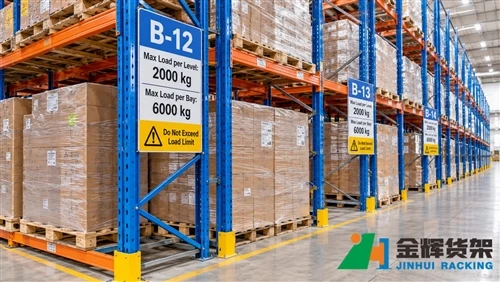
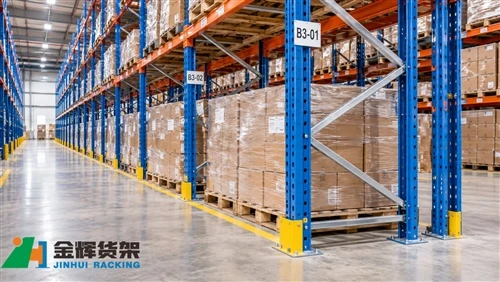
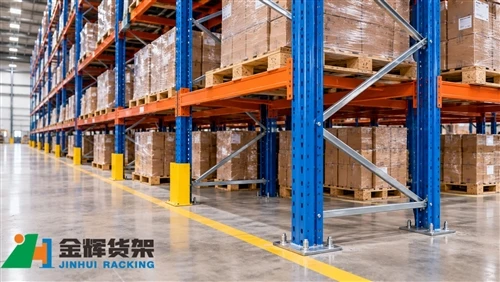
Drive in racks are designed to safely store vehicles and large equipment while also ensuring easy access for retrieval and operation. The racks are typically made of heavy-duty steel and are reinforced with welding and mechanical fasteners to withstand the weight and activity of the stored equipment. The shelves of the racks are typically adjustable to accommodate different sizes and types of equipment. Additionally, the racks often include roll-in ramps and vehicle guides to facilitate easy access and maneuvering of the stored equipment.
Function
Drive in racks serve two primary functions: storing equipment and organizing inventory. The racks allow vehicles and large equipment to be safely stored when not in use, preventing damage and ensuring their readiness for future use. The racks also enable inventory to be organized and managed more effectively, ensuring that the right equipment is easily accessible when needed. The shelves of the racks can be adjustably spaced to accommodate different sizes of vehicles or equipment, allowing for maximum flexibility in storing a variety of items.
Benefits
Drive in racks offer several benefits over traditional storage methods. The racks provide safe and secure storage for vehicles and large equipment, protecting them from damage and ensuring their readiness for future use. The adjustable shelves allow for different sizes and types of equipment to be stored, providing maximum flexibility in inventory management. Additionally, drive in racks help to maximize space utilization by providing dense storage of equipment, reducing the amount of floor space required for storage. The racks also facilitate easier access and retrieval of equipment, saving time and labor in the process. The shelves can be adjustably spaced to accommodate different sizes of vehicles or equipment, allowing for maximum flexibility in storing a variety of items. Furthermore, the drive-in design allows for convenient loading and unloading of equipment, as well as easy maneuvering of the stored items. This can significantly reduce the time and effort required for inventory management, as well as enhance safety in the storage area. In conclusion, drive in racks provide an effective solution for storing vehicles and large equipment, enhancing both safety and efficiency in a cost-effective manner.