In the world of warehousing and logistics, pallet racks play a crucial role. But are they truly the key to efficient storage and management?
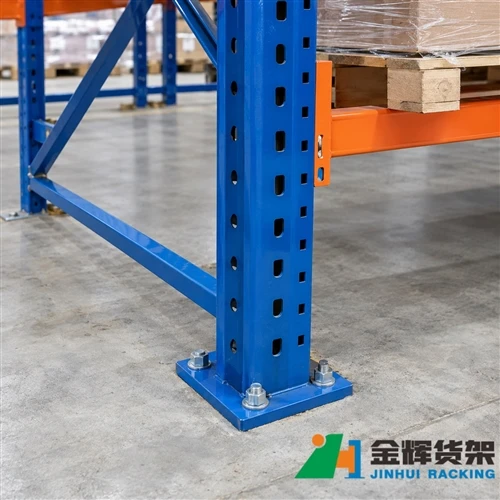
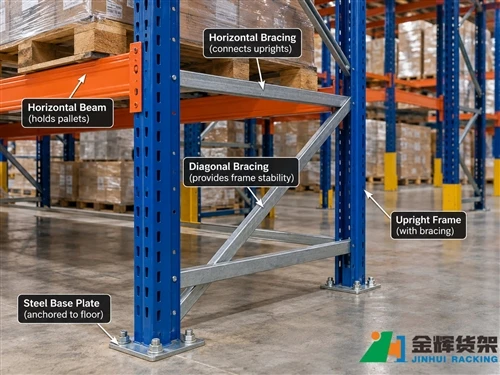
Pallet racks are designed to store pallets of goods in an organized and accessible manner. They come in various types, such as selective pallet racks, drive-in racks, and push-back racks, each with its own advantages and applications.
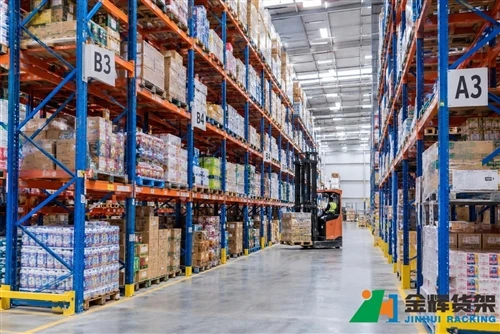
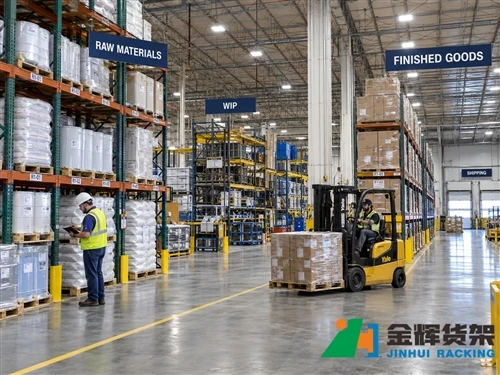
One of the main benefits of pallet racks is their ability to maximize vertical space. By stacking pallets on multiple levels, warehouses can increase their storage capacity without expanding the physical footprint. This is especially important in urban areas where space is at a premium.
Pallet racks also improve accessibility. Workers can easily access pallets using forklifts or other material handling equipment, reducing the time and effort required to retrieve or store goods. This leads to increased productivity and efficiency in the warehouse.
Moreover, pallet racks can be customized to fit the specific needs of a warehouse. They can be adjusted in height, width, and depth to accommodate different pallet sizes and storage requirements.
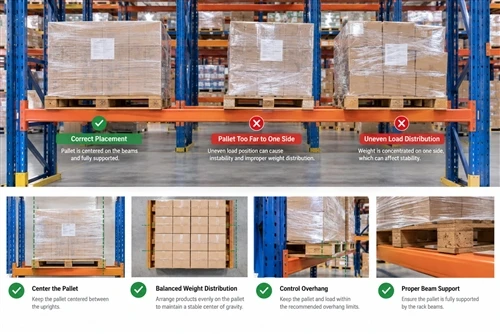
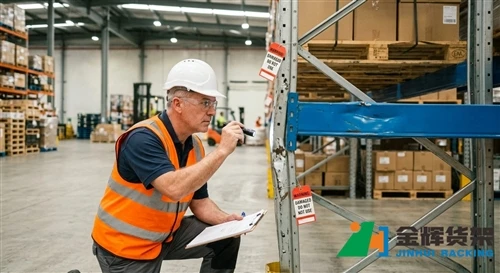
However, there are some considerations when using pallet racks. They require proper installation and maintenance to ensure safety. Overloading or improper use can lead to structural failures and pose a risk to workers and goods.
So, while pallet racks offer many advantages, the question remains: Are they the ultimate solution for efficient warehousing? The answer depends on the specific needs and circumstances of each warehouse. By carefully evaluating the options and choosing the right type of pallet rack, businesses can optimize their storage space and improve their operational efficiency.