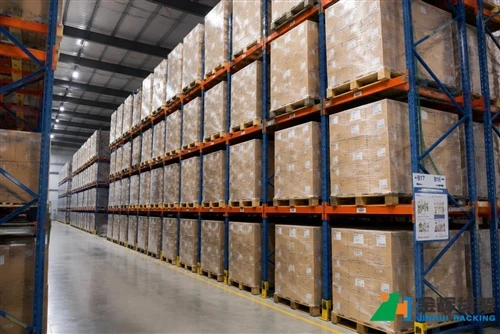
When planning a warehouse storage system, many buyers focus on rack size, aisle width, or storage capacity. However, one of the most critical factors is often overlooked: load calculation.
A racking system that is improperly designed for the actual load can lead to safety risks, structural deformation, reduced service life, and costly operational disruptions. Understanding how load capacity is calculated helps warehouse managers make better storage decisions and avoid expensive mistakes.
Warehouse Racking Is More Than Just Steel
Many people assume that a larger rack automatically means a stronger rack. In reality, load capacity depends on multiple engineering factors, including:
- Upright profile dimensions
- Beam specifications
- Steel thickness
- Rack height
- Bay width
- Pallet weight distribution
- Floor conditions
Two racks with identical dimensions may have completely different load capacities depending on their structural design.
Common Mistake: Using Static Weight Instead of Working Load
One of the most common planning errors is calculating only the weight of stored products.
For example:
- Pallet weight: 1,200 kg
- Rack level: 4 levels
Many buyers simply estimate:1,200 × 4 = 4,800 kg
However, real warehouse operations involve additional dynamic forces generated by forklifts, pallet placement, and daily loading activities.
Professional rack design must consider both static and operational loads to ensure long-term safety.

How Load Capacity Affects Rack Design
Load calculations directly influence several key components:
-
Upright Selection
Heavier loads require stronger upright profiles and thicker steel.
-
Beam Configuration
Beam length and beam section size determine how much weight each level can safely support.
-
Bracing Structure
Proper bracing improves overall rack stability and load distribution.
-
Base Plates & Anchoring
Higher loads require stronger floor anchoring systems to ensure structural safety.
The Hidden Cost of Overdesign
While underestimating load requirements creates safety risks, overdesigning can also increase project costs unnecessarily.
Some warehouses purchase heavy-duty racks capable of supporting far more weight than required.
This often results in:
- Higher material costs
- Increased transportation expenses
- More difficult installation
- Reduced return on investment
A properly engineered storage system balances safety, performance, and budget.
Why Future Growth Should Be Considered
Warehouse requirements rarely remain unchanged.
A system designed only for today's inventory may become inadequate as product lines expand or pallet weights increase.
When designing a new warehouse, it is often wise to leave reasonable capacity margins for future business growth.
This approach can reduce future modification costs and extend the service life of the storage system.

Working With an Experienced Rack Manufacturer
Accurate load calculations require engineering experience and practical warehouse knowledge.
A professional manufacturer should evaluate:
- Product dimensions
- Pallet type
- Maximum pallet weight
- Warehouse height
- Forklift specifications
- Storage turnover requirements
Only after understanding these factors can the most suitable racking solution be recommended.
Conclusion
Successful warehouse storage projects are not determined by rack dimensions alone. Proper load calculations play a critical role in ensuring safety, operational efficiency, and long-term investment value.
Before selecting a racking system, make sure your supplier understands not only how much space you have, but also how much weight your warehouse needs to support.
A well-engineered rack system will provide years of reliable performance while helping your business grow efficiently.
CTA
Planning a new warehouse project?
JINHUI RACK provides free warehouse layout design, load calculation support, and customized storage solutions based on your operational requirements.
Contact our engineering team today to discuss your project and receive a tailored storage recommendation.