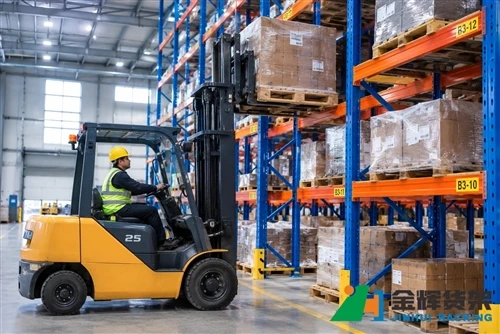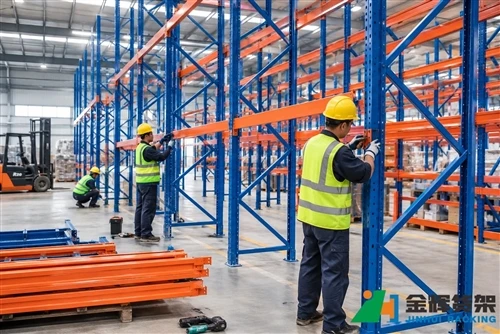
Planning a pallet rack project before contacting a supplier can help ensure a more accurate design, faster quotation process, and smoother installation. A complete pallet racking solution depends on many details, including warehouse dimensions, pallet specifications, storage requirements, forklift operation, and future expansion plans.
Many warehouse projects experience delays because important information is missing during the early planning stage. Preparing the right details before ordering pallet racking allows manufacturers to recommend a suitable rack configuration and avoid unnecessary design changes.
Why Proper Planning Is Important Before Ordering Pallet Racking
A pallet racking system is a long-term warehouse investment. The correct design should not only fit the available space but also support daily warehouse operations safely and efficiently.
Proper project planning helps:
- Reduce design changes during the quotation stage
- Improve rack capacity calculation accuracy
- Select suitable rack dimensions and accessories
- Optimize warehouse storage efficiency
- Reduce installation problems
- Prepare for future storage requirements
A professional pallet rack supplier normally needs detailed project information before recommending a final solution.
Warehouse Information You Should Prepare
The warehouse environment is one of the first factors considered during pallet rack planning. Even a small difference in building dimensions can affect rack layout and storage capacity.
Prepare the following warehouse information:
| Information | Why It Is Needed |
|---|---|
| Warehouse length and width | Determines available rack installation area |
| Clear warehouse height | Helps determine rack height and storage levels |
| Floor condition | Ensures the rack system matches installation requirements |
| Doors and entrances | Affects rack placement and forklift access |
| Columns, obstacles, and equipment areas | Helps avoid layout conflicts |
Warehouse drawings are especially useful because they allow engineers to evaluate available space before creating a rack layout.
Pallet Information Required for Rack Design
Pallet specifications directly affect pallet rack dimensions, beam selection, and storage configuration.
The supplier should know:
- Pallet length and width
- Pallet height
- Maximum pallet weight
- Pallet material type
- Load distribution characteristics
- Number of pallets stored per level
Different pallet designs may require different support conditions. Wooden pallets, plastic pallets, and special pallets can have different bottom structures that affect rack compatibility.
For heavy-duty storage applications, JINHUI Industrial Heavy Duty Pallet Racks can be customized according to pallet dimensions, load requirements, and warehouse conditions.
Storage Requirements You Need to Define
Before ordering pallet racking, clearly define how the warehouse will use the storage system.
Important questions include:
- How many pallets need to be stored?
- How many different SKUs are managed?
- How frequently are pallets accessed?
- Is direct pallet access required?
- Is FIFO or LIFO operation needed?
- Are future storage increases expected?
A warehouse with many product types and frequent picking requirements may require a different solution compared with a warehouse storing large quantities of identical products.
Forklift Information Required for Pallet Rack Planning
Forklift information is essential because rack layout and aisle dimensions must match the equipment used for pallet handling.
Provide information about:
- Forklift type
- Maximum lifting height
- Forklift turning radius
- Required operating aisle width
- Daily pallet movement frequency
For example, reach trucks and counterbalance forklifts have different aisle requirements. Selecting racks without considering forklift operation can reduce warehouse efficiency.
What Drawings and Photos Should Be Provided?
Providing clear warehouse information helps suppliers create a more accurate pallet rack proposal.
Useful documents include:
- Warehouse floor plan
- Building drawings
- Warehouse photos
- Existing rack photos
- Equipment layout drawings
- Storage requirement documents
Photos are particularly helpful when planning rack replacement projects or adding new storage systems to an existing warehouse.

Information Needed for a Pallet Rack Quotation
A complete quotation requires more than just warehouse size. The following information helps suppliers prepare an accurate proposal.
| Information | Purpose |
|---|---|
| Warehouse dimensions | Rack layout and installation planning |
| Pallet dimensions | Rack depth and beam configuration selection |
| Pallet weight | Load capacity calculation |
| Storage quantity | Rack quantity and configuration planning |
| Forklift details | Aisle and operating space design |
| Required accessories | Safety and storage optimization |
Questions to Ask Your Pallet Rack Supplier
Before placing an order, warehouse owners should confirm several important points with the rack manufacturer.
- What is the rated load capacity of the rack system?
- Does the design match the pallet size and weight?
- Which accessories are included?
- What installation support is available?
- Can the system be expanded in the future?
- Are replacement components available?
Working with an experienced manufacturer helps ensure that the final rack system meets both current and future warehouse requirements.
Common Mistakes During Pallet Rack Project Planning
Poor planning can create additional costs and operational problems after installation.
- Providing incomplete warehouse measurements
- Ignoring forklift requirements
- Not confirming pallet dimensions
- Choosing rack capacity without considering actual loads
- Ignoring future warehouse growth
- Focusing only on initial price instead of long-term performance
A successful pallet rack project requires cooperation between the warehouse owner, supplier, and installation team.
How an Experienced Pallet Rack Manufacturer Helps
An experienced pallet rack manufacturer can support the project from initial planning through final installation.
Professional suppliers can help with:
- Warehouse evaluation
- Rack configuration design
- Load calculation
- Accessory selection
- Installation guidance
- Future expansion planning
JINHUI provides customized pallet racking solutions for warehouses, distribution centers, and industrial facilities. Our team can recommend suitable rack configurations based on storage requirements, pallet specifications, and operating conditions.
Frequently Asked Questions About Pallet Rack Project Planning
What information does a pallet rack supplier need?
A supplier usually needs warehouse dimensions, pallet size, pallet weight, storage quantity, forklift information, and project requirements.
Why do suppliers need pallet dimensions before designing racks?
Pallet dimensions affect rack depth, beam spacing, storage levels, and overall system configuration.
Can pallet racks be customized for different warehouses?
Yes. Pallet rack systems can be customized according to warehouse size, pallet requirements, load capacity, and operational needs.
Should forklift information be provided before ordering racks?
Yes. Forklift type and operating requirements directly affect aisle width, rack layout, and storage efficiency.
What drawings are useful for pallet rack planning?
Warehouse floor plans, building drawings, equipment layouts, and warehouse photos can help suppliers create a more accurate solution.
Final Thoughts
Proper planning is the foundation of a successful pallet rack project. Providing complete warehouse, pallet, storage, and equipment information allows suppliers to design a safer and more efficient storage solution.
Before ordering pallet racking, take time to prepare accurate project information. This helps reduce delays, avoid unnecessary modifications, and achieve better long-term warehouse performance.
Contact JINHUI for a customized pallet racking solution:
WhatsApp: +86 185 0252 7163
Email: info@jhrack.com
Website: https://www.jinhui-rack.com/