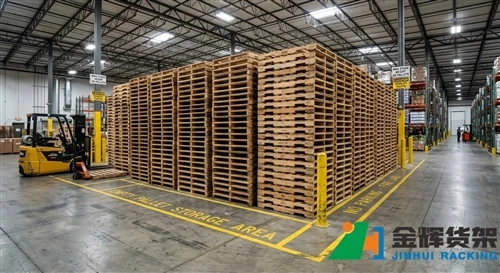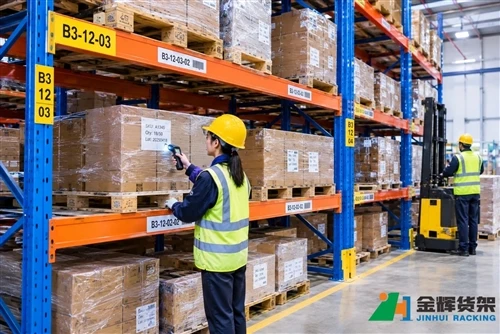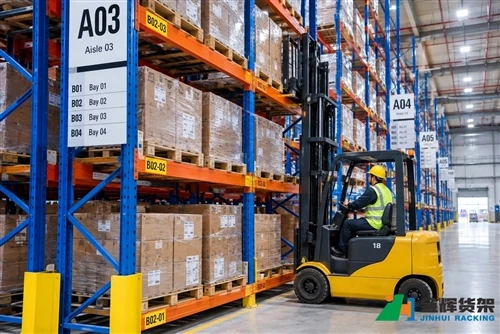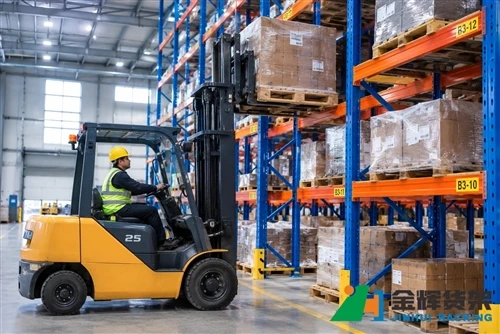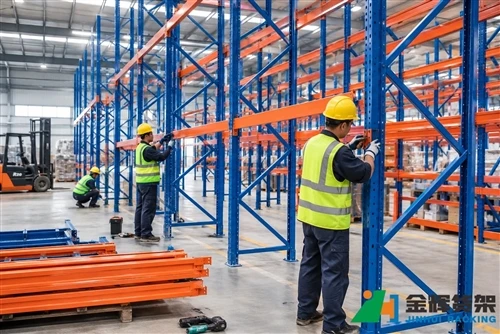
Choosing the right pallet racking system is an important decision for warehouse efficiency, storage capacity, and long-term operating costs. A suitable rack system should match the warehouse layout, pallet dimensions, load requirements, forklift operation, and future expansion plans.
Many warehouses make the mistake of selecting pallet racks based only on price or available space. However, the best storage solution depends on how products move through the warehouse, how often pallets are accessed, and how much storage density is required.
This guide explains the key factors to consider when choosing a pallet racking system for industrial warehouses, distribution centers, and manufacturing facilities.
Understand Your Warehouse Storage Requirements First
Before selecting a pallet racking system, the first step is understanding the actual requirements of your warehouse. Every storage environment has different limitations and operating conditions.
Important factors include:
- Available warehouse floor area
- Ceiling height and usable vertical space
- Number of pallets to be stored
- Number of product SKUs
- Inventory turnover frequency
- Required pallet accessibility
- Forklift operating conditions
- Future warehouse expansion plans
A warehouse storing hundreds of different SKUs with frequent pallet picking usually requires a different rack configuration compared with a facility storing large quantities of the same product.
Consider Pallet Size and Load Capacity
Pallet dimensions and weight are two of the most important factors when selecting a pallet racking system.
The rack design must consider:
- Pallet length and width
- Pallet height
- Maximum pallet weight
- Number of pallets per storage level
- Beam span requirements
- Required safety factor
Incorrect pallet rack selection can result in inefficient storage space or unsafe loading conditions. The rack manufacturer should evaluate pallet dimensions together with beam capacity, upright frame design, and overall rack configuration.
For heavy industrial storage applications, JINHUI Industrial Heavy Duty Pallet Racks can be customized according to pallet size, load requirements, warehouse height, and forklift operation.
Choose the Right Type of Pallet Racking System
Different pallet racking systems are designed for different storage requirements. The right choice depends on the balance between accessibility, storage density, and warehouse operation efficiency.
Selective Pallet Racking
Selective pallet racking is the most common warehouse storage solution because every pallet position can be accessed directly.
It is suitable for:
- Warehouses with many SKUs
- Products requiring frequent access
- FIFO inventory management
- General distribution operations
JINHUI Selective Pallet Racking Systems provide adjustable beam levels and flexible layouts for different warehouse applications.
Push Back Pallet Racking
Push back racking increases storage density by allowing multiple pallets to be stored in depth on inclined rail systems.
It is suitable for warehouses that need:
- Higher storage density
- Reduced aisle requirements
- Multiple pallet positions per SKU
Drive-In Pallet Racking
Drive-in pallet racks maximize storage density by allowing forklifts to enter the rack structure. This solution is commonly used for large quantities of similar products.
Typical applications include:
- Cold storage warehouses
- Bulk inventory storage
- Low SKU environments
Pallet Flow Racking
Pallet flow systems use gravity rollers to move pallets through the rack, making them suitable for FIFO inventory management and high turnover products.
| Warehouse Requirement | Recommended Rack System |
|---|---|
| Maximum pallet accessibility | Selective pallet racking |
| Higher storage density | Push back pallet racking |
| Large quantity of similar products | Drive-in pallet racking |
| FIFO inventory operation | Pallet flow racking |
Match the Rack System With Forklift Operation
The forklift type has a direct influence on pallet rack layout and aisle design.
Consider:
- Forklift turning radius
- Forklift lifting height
- Required aisle width
- Operator visibility
- Daily pallet movement frequency
For example, reach trucks can operate in narrower aisles compared with traditional counterbalance forklifts, allowing warehouses to increase storage density.
A rack system should always be designed together with the equipment used for pallet handling.
Balance Storage Density and Pallet Accessibility
Higher storage density does not always mean better warehouse performance. A system that stores more pallets but reduces access efficiency may increase operating costs.
| Priority | Recommended Solution |
|---|---|
| Fast pallet access | Selective pallet racking |
| Maximum storage capacity | Drive-in or push back racking |
| High inventory turnover | Selective or pallet flow systems |
| Limited warehouse space | High-density pallet storage systems |

Consider Warehouse Safety Requirements
A complete pallet racking solution should include appropriate safety considerations in addition to storage capacity.
Important safety factors include:
- Correct rack load capacity identification
- Proper pallet positioning
- Forklift protection equipment
- Rack inspection procedures
- Suitable warehouse traffic flow
- Protection against falling goods where required
Safety accessories such as rack protection guards, safety mesh, backstops, and load signs should be selected according to the warehouse environment.
Plan for Future Warehouse Expansion
A pallet racking system is a long-term investment. The best solution should not only meet today's storage requirements but also support future business growth.
Future considerations include:
- Increasing pallet quantities
- Adding new product categories
- Changing forklift equipment
- Expanding warehouse areas
- Increasing automation requirements
A modular rack design can make future adjustments easier and reduce replacement costs.
Common Mistakes When Choosing Pallet Racking
Many warehouse storage problems come from poor planning during the initial selection process.
- Choosing racks only based on the lowest price
- Ignoring forklift requirements
- Not checking pallet dimensions carefully
- Underestimating future storage needs
- Ignoring warehouse workflow
- Using unsuitable rack types for inventory requirements
A professional rack supplier should evaluate the complete warehouse operation instead of providing only a standard rack quotation.
How to Work With a Pallet Rack Manufacturer
When contacting a pallet rack manufacturer, providing accurate project information helps create a more suitable storage solution.
Recommended information includes:
- Warehouse dimensions
- Pallet size
- Maximum pallet weight
- Required storage capacity
- Forklift type
- Storage method requirements
- Warehouse layout drawings
Based on this information, the manufacturer can recommend rack type, beam levels, upright specifications, and accessories.
Choosing the Right Pallet Racking Solution
The right pallet racking system is not simply the one with the highest storage capacity. It should provide the best balance between storage density, accessibility, safety, and operational efficiency.
JINHUI provides customized pallet racking solutions for warehouses, distribution centers, and industrial facilities. Our engineers can help select the appropriate rack configuration based on pallet specifications, warehouse conditions, and business requirements.
Frequently Asked Questions About Choosing Pallet Racking
What is the most common type of pallet racking system?
Selective pallet racking is the most common system because it provides direct access to every pallet position and works well for many warehouse applications.
How do I choose pallet rack capacity?
Pallet rack capacity should be determined according to pallet weight, beam span, upright design, rack height, and the complete structural configuration.
Which pallet rack is best for high-density storage?
Push back and drive-in pallet racking systems are commonly used when maximizing storage density is the main priority.
Should pallet rack selection consider forklifts?
Yes. Forklift type, aisle width, and lifting height requirements directly affect rack layout and storage efficiency.
Can pallet racks be customized?
Yes. Professional pallet rack manufacturers can customize rack dimensions, beam levels, accessories, and layouts according to warehouse requirements.
Final Thoughts
Selecting the right pallet racking system requires more than comparing prices or choosing the highest storage capacity. The best solution combines warehouse space, pallet requirements, forklift operation, safety considerations, and future expansion plans.
By selecting the correct rack type and working with an experienced manufacturer, warehouses can improve storage efficiency, safety, and long-term operating performance.
Contact JINHUI for a customized pallet racking solution:
WhatsApp: +86 185 0252 7163
Email: info@jhrack.com
Website: https://www.jinhui-rack.com/