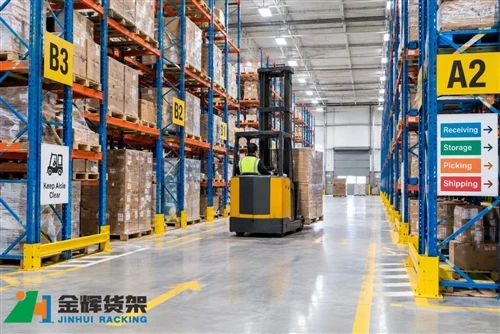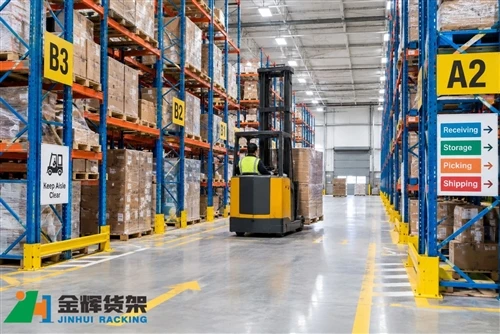
Pallet Rack Anchoring Overview
Anchoring pallet racks is a critical step in warehouse setup that ensures structural stability and long-term safety. Without proper anchoring, racking systems are more vulnerable to movement, imbalance, and potential failure under load.
Whether you are installing a new pallet racking system or upgrading an existing layout, understanding the correct anchoring methods is essential.

Why Anchoring Pallet Racks Is Important
- Prevents rack movement and tipping
- Improves overall structural stability
- Ensures proper load distribution
- Reduces long-term wear and damage
Anchoring is especially important in high-load environments where even minor shifts can affect system performance.
Types of Anchor Bolts for Pallet Racking
1. Expansion Anchor Bolts
Expansion anchors are the most commonly used option for pallet racking. They expand inside the concrete when tightened, creating a strong mechanical bond.
- Easy to install
- Suitable for most warehouse floors
- Cost-effective solution
2. Chemical Anchor Bolts
Chemical anchors use resin to bond the bolt to the concrete, providing higher load capacity and stronger resistance.
- Higher strength compared to expansion anchors
- Suitable for heavy-duty racking systems
- Ideal for cracked or weaker concrete
3. Sleeve Anchors
Sleeve anchors provide moderate holding strength and are typically used in lighter-duty applications.
- Quick installation
- Suitable for light to medium loads

Step-by-Step Guide to Anchoring Pallet Racks
Step 1: Mark Base Plate Positions
Position the upright frames and mark the anchor hole locations through the base plates.
Step 2: Drill Holes into Concrete Floor
Use a hammer drill to create holes with the correct diameter and depth according to the anchor specifications.
Step 3: Insert Anchor Bolts
Place the anchor bolts into the drilled holes and ensure proper alignment with the base plate.
Step 4: Tighten and Secure
Tighten bolts using a torque wrench to ensure they are firmly secured without over-tightening.
Step 5: Final Stability Check
Verify that the rack is stable, level, and properly fixed to the floor before loading.
Floor Requirements for Proper Anchoring
The effectiveness of anchoring depends heavily on floor conditions. Concrete floors should meet the following requirements:
- Sufficient thickness and strength
- Level and crack-free surface
- Proper curing before installation
Poor floor conditions can significantly reduce anchoring performance and compromise safety.
Common Anchoring Mistakes to Avoid
- Using incorrect anchor bolt size
- Insufficient drilling depth
- Failing to tighten bolts properly
- Skipping anchoring in low-load areas
- Installing on uneven or damaged floors
Best Practices for Pallet Rack Anchoring
- Always follow manufacturer recommendations
- Use appropriate anchor types for load conditions
- Ensure consistent anchoring across all frames
- Inspect anchors regularly for loosening or damage
Related Installation and Safety Guides
For a complete understanding of pallet racking systems, you can also explore:
- Installation process and setup considerations
- Warehouse safety guidelines and inspection routines
Final Thoughts
Proper anchoring is one of the most important aspects of pallet racking installation. By selecting the right anchor type and following correct procedures, you can significantly improve the safety and durability of your storage system.