What Is an ASRS Storage System?
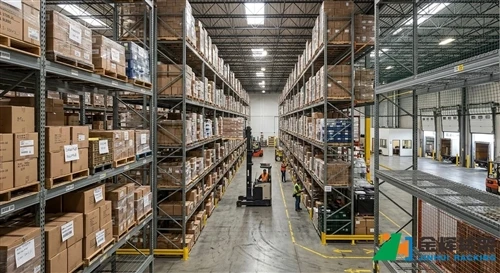
An ASRS Storage System (Automated Storage and Retrieval System) is a warehouse automation solution designed to automatically store and retrieve products with minimal human intervention. The system integrates high-density storage racks, stacker cranes, conveyors, shuttle systems, warehouse management software (WMS), and warehouse control systems (WCS) to create a highly efficient storage environment.
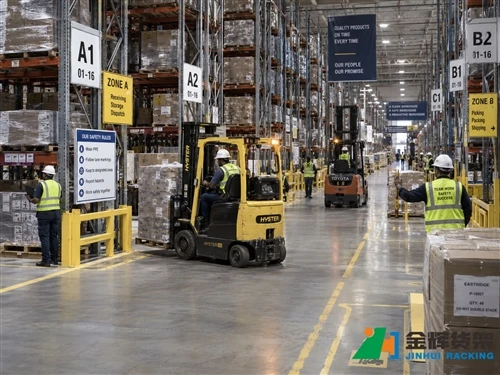
Unlike conventional warehouses that rely heavily on forklift operations, an ASRS warehouse automates inventory movement, significantly improving storage density, inventory accuracy, and operational efficiency.

How Does an Automated Storage and Retrieval System Work?
The ASRS process typically follows these steps:
- Products arrive at inbound stations.
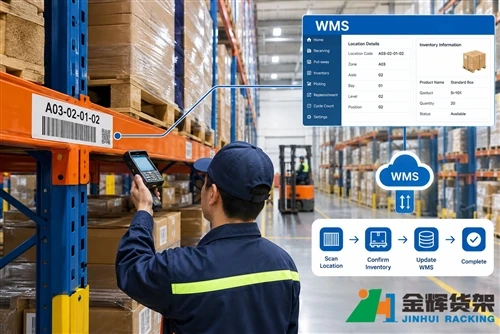
- Barcode or RFID systems identify inventory automatically.
- Warehouse management software assigns the optimal storage location.
- Stacker cranes or shuttle systems transport products to designated rack positions.
- When orders are received, the system automatically retrieves the required items.
- Products are delivered to outbound stations for shipping.
This automated workflow minimizes manual handling and ensures fast, accurate inventory movement throughout the warehouse.
Key Benefits of ASRS Storage Systems
1. Maximize Storage Capacity
One of the primary advantages of an ASRS warehouse is its ability to utilize vertical space efficiently. Storage heights can exceed 30 meters, allowing businesses to significantly increase storage capacity without expanding building footprints.
By reducing aisle widths and maximizing cubic storage utilization, companies can achieve much higher storage density than conventional pallet racking systems.
2. Improve Inventory Accuracy
Automated storage and retrieval systems virtually eliminate human errors associated with manual inventory management. Every pallet movement is tracked and recorded in real time.
This results in:
- Improved inventory visibility
- Accurate stock records
- Reduced product loss
- Better traceability
3. Reduce Labor Costs
Warehouse labor shortages continue to challenge logistics operations worldwide. ASRS solutions significantly reduce dependency on forklift drivers and manual warehouse operators.
By automating storage and retrieval processes, businesses can lower labor costs while maintaining consistent operational performance.
4. Faster Order Fulfillment
Automated systems operate continuously with predictable performance. Orders can be processed more quickly, helping businesses meet increasing customer expectations for fast delivery.
This is particularly valuable for e-commerce, retail distribution, and manufacturing operations.
5. Enhanced Workplace Safety
Reducing forklift traffic and manual handling activities creates a safer warehouse environment. Employees are exposed to fewer risks associated with heavy equipment operation and elevated storage areas.

Common Types of ASRS Storage Systems
Unit Load ASRS
Designed for palletized products, Unit Load ASRS uses stacker cranes to handle heavy loads stored at significant heights.
Mini Load ASRS
Ideal for cartons, totes, and smaller inventory items requiring fast retrieval and high picking accuracy.
Shuttle-Based ASRS
Uses autonomous shuttle vehicles operating within rack structures to achieve high throughput and flexible storage operations.
Multi-Deep ASRS
Provides extremely high storage density by storing multiple pallets deep within storage lanes.
Industries That Benefit from ASRS Warehouses
ASRS systems are widely used across numerous industries:
- E-commerce fulfillment centers
- Third-party logistics (3PL) providers
- Food and beverage distribution
- Automotive manufacturing
- Pharmaceutical warehouses
- Cold storage facilities
- Consumer goods distribution centers
- Industrial manufacturing plants
The flexibility of automated storage systems allows them to adapt to different inventory profiles and operational requirements.
Why More Companies Are Investing in Warehouse Automation
Several market trends are driving ASRS adoption:
- Rising warehouse labor costs
- Increasing land and building expenses
- Growth of e-commerce fulfillment demands
- Need for real-time inventory visibility
- Higher customer expectations for delivery speed
- Labor shortages in logistics industries
As these challenges continue to intensify, warehouse automation is becoming less of a competitive advantage and more of a necessity.
Choosing the Right ASRS Storage Solution
Before investing in an ASRS warehouse, companies should evaluate:
- Available warehouse space
- Inventory characteristics
- Required throughput levels
- Storage density goals
- Future expansion plans
- Integration requirements with ERP and WMS platforms
A properly designed ASRS solution should align with both current operational requirements and long-term business growth strategies.
Why Choose Jinhui Racking for ASRS Projects?
Jinhui Racking provides customized ASRS storage systems designed for high-performance warehouse operations. Our engineering team develops solutions based on product characteristics, storage capacity requirements, throughput demands, and future expansion needs.
Our capabilities include:
- Custom ASRS design and engineering
- High-density racking manufacturing
- Stacker crane integration
- Warehouse automation solutions
- Professional installation support
- Project management and after-sales service
Whether you operate a manufacturing facility, distribution center, or automated logistics hub, Jinhui Racking can help optimize your warehouse performance through advanced ASRS technology.
Conclusion
An ASRS storage system is one of the most effective ways to maximize warehouse capacity, improve inventory accuracy, reduce labor costs, and accelerate order fulfillment. As supply chains become increasingly complex, automated storage and retrieval systems provide the scalability and efficiency required to remain competitive.
For businesses seeking long-term warehouse optimization, investing in an ASRS warehouse solution can deliver significant operational and financial benefits while supporting future growth.