Understanding the Core Difference
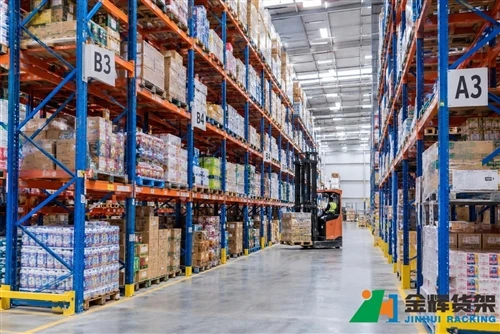
At first glance, drive-in and shuttle racking systems appear similar because both are designed for high-density storage. However, their operational logic is fundamentally different.
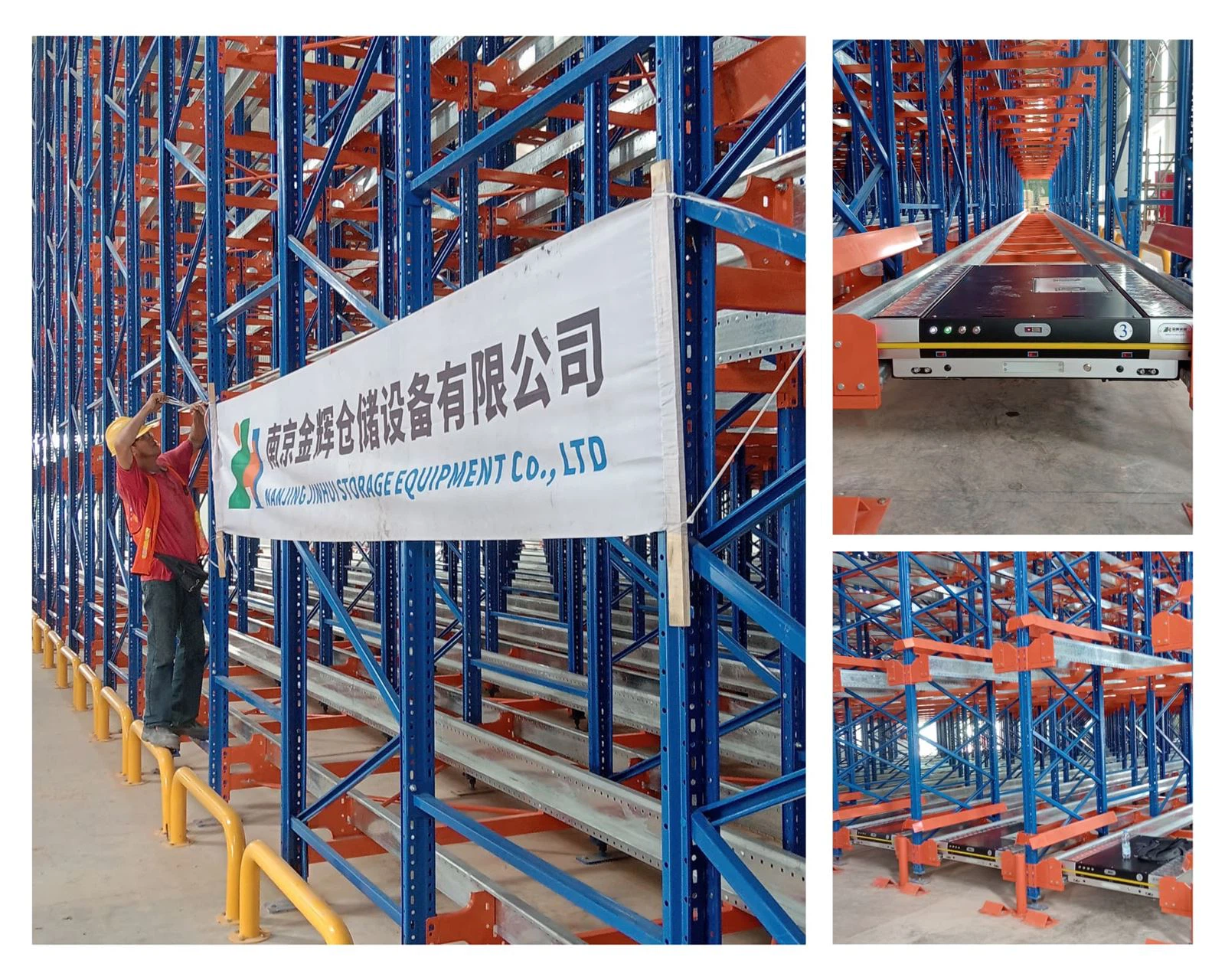
Drive-in racking relies on forklifts entering storage lanes to place and retrieve pallets, while shuttle racking uses a semi-automated shuttle system to move pallets within the rack structure.
This difference directly impacts efficiency, safety, and long-term operational cost.

Storage Density: Similar Goal, Different Approach
Both systems aim to reduce aisle space and increase storage capacity. In terms of pure density, they can achieve comparable results depending on layout design.
However, shuttle systems allow for deeper lanes and more flexible operation, especially in large-scale warehouses.
Drive-in systems, on the other hand, are more dependent on forklift maneuverability and operator skill.
Operational Efficiency: Where the Real Difference Lies
Efficiency is often the deciding factor between the two systems.
In drive-in racking:
- Forklifts must enter and exit lanes frequently
- Operations are slower in deep storage lanes
- Higher risk of congestion
In shuttle racking:
- Pallet movement is automated within the rack
- Forklifts stay at the aisle entrance
- Faster loading and unloading cycles
In high-throughput warehouses, this efficiency difference becomes very significant over time.
Cost Comparison: Initial Investment vs Long-Term Value
Cost is one of the biggest concerns for buyers.
Drive-in racking has a clear advantage in terms of initial investment. It is a simpler system with fewer components and no automation.
Shuttle racking requires additional investment in shuttle equipment and control systems, making it more expensive upfront.
However, in long-term operation, shuttle systems often reduce labor costs and improve efficiency, which can offset the initial investment.
Safety and Maintenance Considerations
Safety is another important factor often overlooked during system selection.
In drive-in systems, frequent forklift entry increases the risk of structural damage over time. Proper training and protective components are essential.
Shuttle systems reduce direct forklift interaction with the racking structure, which can improve overall safety and reduce maintenance requirements.
When Should You Choose Drive-In Racking?
Drive-in racking is a suitable choice when:
- Budget is limited
- Inventory turnover is relatively low
- Products are stored in large batches
When Should You Choose Shuttle Racking?
Shuttle racking is more suitable when:
- High throughput is required
- Labor efficiency is a priority
- Warehouse operations need to be optimized
If you are also comparing other high-density systems, you may find this article useful: drive-in vs drive-through racking.
Making the Right Decision
There is no one-size-fits-all answer. The right choice depends on your warehouse size, operational flow, budget, and long-term strategy.
In many projects we've supported, the decision ultimately came down to balancing initial investment with operational efficiency.
A well-matched system can significantly improve both storage performance and overall cost efficiency.
Conclusion
Drive-in and shuttle racking systems each have their advantages. Understanding their differences in operation, cost, and efficiency is essential for making the right choice.
Taking a project-based approach rather than focusing only on price can lead to better long-term results.
Need Help Choosing the Right System?
If you're unsure which system fits your warehouse, we can help you evaluate your requirements and recommend the most suitable solution.