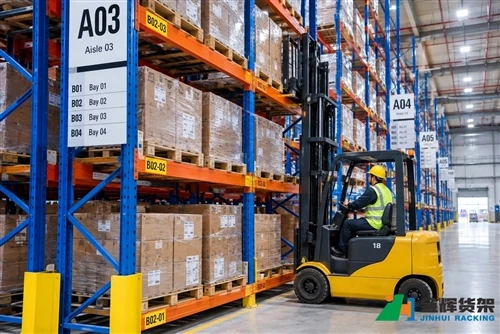
Pallet rack overloading is one of the most common risks affecting warehouse storage safety and rack performance. When pallets exceed the designed load capacity, are stored incorrectly, or create uneven loading conditions, the rack structure may experience excessive stress.
Preventing pallet rack overloading requires more than knowing the maximum rack capacity. Warehouse operators need to control pallet weights, verify storage conditions, understand rack specifications, and establish procedures that prevent unsafe loading practices.
This guide explains how to prevent pallet rack overloading, including how to check pallet weights, manage rack capacity, avoid common loading mistakes, and maintain safe warehouse rack operations.
What Is Pallet Rack Overloading?
Pallet rack overloading occurs when the weight placed on a rack system exceeds its designed load capacity or when the load distribution does not match the rack design requirements.
Overloading does not always mean placing one extremely heavy pallet onto a rack. It can also happen through repeated incorrect loading practices, such as:
- Storing pallets heavier than the rated capacity
- Adding more pallets than the rack level is designed to support
- Placing loads unevenly across beams
- Using incorrect beam spacing
- Combining different pallet types without checking compatibility
- Ignoring damaged rack components
A pallet rack system is designed according to specific requirements, including pallet weight, pallet dimensions, beam levels, upright frame design, and warehouse operating conditions.
Why Is Preventing Pallet Rack Overloading Important?
Pallet racks support thousands of kilograms of stored goods every day. Maintaining correct loading conditions helps protect inventory, warehouse employees, forklifts, and the rack structure itself.
Preventing overloading helps warehouses:
- Reduce the risk of rack component damage
- Maintain safe storage conditions
- Protect stored products
- Reduce unexpected maintenance costs
- Improve warehouse operating reliability
- Extend the service life of rack systems
Even when a rack system appears stable, incorrect loading practices can gradually affect beams, uprights, connectors, and other structural components.
How Does Pallet Rack Load Capacity Work?
Pallet rack capacity is determined by multiple structural factors rather than a single number.
The load capacity depends on:
- Upright frame design
- Beam size and thickness
- Beam span
- Number of beam levels
- Pallet weight
- Pallet dimensions
- Load distribution
- Rack configuration
- Installation conditions
For example, a pallet rack designed for four storage levels may have different capacity requirements compared with a rack designed for six levels. Adding additional storage levels without recalculating capacity can create unsafe loading conditions.
How to Check If a Pallet Rack Is Properly Loaded
Warehouse employees should verify several conditions before storing pallets on rack systems.
| Check Item | What to Verify |
|---|---|
| Pallet Weight | The pallet weight is within the rack capacity |
| Pallet Position | The pallet is correctly positioned on the beams |
| Load Distribution | The weight is evenly distributed |
| Beam Level | The storage level matches the rack design |
| Pallet Condition | The pallet can safely support the stored goods |
| Rack Condition | No visible damage affects the rack structure |
These checks should be part of normal warehouse operation rather than only being performed after a problem occurs.
Common Causes of Pallet Rack Overloading
Most overloading situations occur because of operational changes or incorrect assumptions about rack capacity.
1. Storing Heavier Pallets Than Planned
A warehouse may begin storing heavier products than the original rack design was intended for. If product weight changes, the rack capacity should be reviewed.
2. Adding Extra Storage Levels
Increasing storage levels can change the total load placed on upright frames and beams. Additional levels should only be added after confirming the rack system can support the new configuration.
3. Mixing Different Pallet Sizes
Pallets with different dimensions may distribute weight differently. A rack designed for one pallet type may require adjustment before storing another pallet size.
4. Incorrect Load Placement
A pallet positioned too far forward, too far backward, or unevenly across beams can create additional stress on rack components.
5. Poor Communication Between Departments
Warehouse changes often happen when purchasing, production, logistics, and warehouse teams are not aligned about product weight or storage requirements.
How to Prevent Pallet Rack Overloading
A successful prevention program combines correct rack design, operational control, and employee awareness.
Key prevention methods include:
- Know the rated capacity of each rack configuration.
- Keep pallet weights within approved limits.
- Clearly communicate rack capacity information.
- Train forklift operators and warehouse employees.
- Review rack loading when products change.
- Inspect rack components regularly.
- Prevent unauthorized rack modifications.
- Replace damaged components before continued use.
Overloading prevention should be treated as an ongoing warehouse management process.
How Pallet Weight Affects Rack Safety
The weight of stored pallets directly affects the forces applied to pallet rack components.
Important factors include:
- Total pallet weight
- Number of pallets per beam level
- Number of occupied levels
- Weight distribution across the pallet
- Frequency of pallet movement
A pallet with an unevenly distributed load may create different stresses compared with a pallet of the same total weight that is evenly loaded.
For this reason, warehouses should consider both pallet weight and pallet loading condition.
How to Train Warehouse Workers to Avoid Overloading
Employee training plays an important role in preventing unsafe rack loading.
Training should include:
- Understanding rack capacity signs
- Recognizing approved pallet weights
- Correct pallet placement methods
- Identifying damaged rack components
- Reporting unsafe conditions
- Following forklift operating procedures
Forklift operators should understand that rack capacity is not unlimited and that incorrect pallet placement can create safety risks even when the pallet weight is within the rated limit.
How Rack Damage Can Increase Overloading Risk
A rack system that has already been damaged may have reduced load capacity.
Common damage that requires attention includes:
- Bent upright frames
- Damaged beams
- Loose connections
- Impact marks from forklifts
- Deformed rack components
- Missing safety components
A damaged rack should not continue operating under the assumption that it can still support its original capacity.
Inspection and repair procedures should be established according to warehouse safety requirements.
How Forklift Operations Affect Rack Loading Safety
Forklift operation directly affects pallet rack performance.
Incorrect forklift handling can create additional risks through:
- Impacting upright frames
- Moving pallets incorrectly onto beams
- Dropping pallets onto rack beams
- Damaging pallets before storage
- Placing pallets outside the intended position
Proper forklift training and controlled operating procedures help maintain safe rack conditions.
How to Manage Rack Capacity Changes
Warehouse requirements often change over time. New products, different pallet weights, and increased storage density may affect rack loading conditions.
Before changing rack usage, review:
- New pallet weights
- New pallet dimensions
- Additional storage levels
- Changed forklift equipment
- Increased storage density requirements
- New warehouse operating methods
A rack system should not be modified simply because additional storage space is needed. Any significant change should be evaluated according to the rack design requirements.

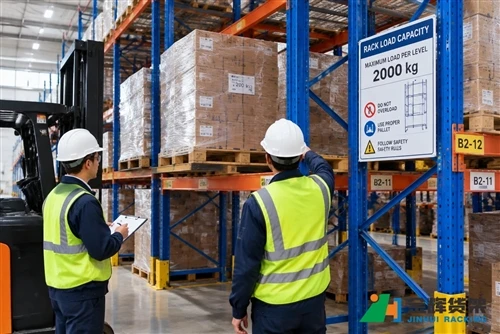
How Rack Capacity Signs Help Prevent Overloading
Rack capacity signs provide important information for warehouse operators.
A typical rack capacity sign may include:
- Maximum load per beam level
- Maximum pallet weight
- Rack configuration information
- Safety reminders
Visible capacity information helps employees make better storage decisions and reduces the chance of accidental overloading.
How to Include Overloading Prevention in Warehouse Procedures
A warehouse should include rack loading requirements in daily operating procedures.
A practical procedure may include:
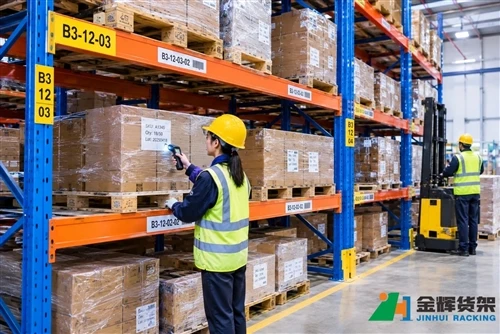
- Confirm pallet weight before storage.
- Check the correct rack location.
- Verify pallet placement.
- Monitor rack condition.
- Report damaged components.
- Review changes in product weight or storage requirements.
Making rack safety part of normal warehouse operations is more effective than relying only on occasional inspections.
Common Pallet Rack Overloading Mistakes
Ignoring Product Weight Changes
New products may have different weights from previous inventory. Rack capacity should be reviewed when product requirements change.
Using Rack Space Without Checking Capacity
Available rack space does not always mean the location can support any pallet weight.
Overloading Upper Rack Levels
Upper storage levels may have different capacity requirements from lower levels depending on rack design.
Placing Uneven Loads
Uneven pallet loading can create additional stress even when the total weight appears acceptable.
Failing to Replace Damaged Components
Damaged rack parts can affect the safe operating capacity of the system.
Pallet Rack Overloading Prevention Checklist
| Item | Check |
|---|---|
| Pallet Weight | Within approved rack capacity |
| Pallet Position | Correctly placed on rack beams |
| Load Distribution | Weight evenly distributed |
| Rack Condition | No visible structural damage |
| Capacity Information | Available and understood by operators |
| Product Changes | Reviewed before changing storage requirements |
Frequently Asked Questions About Pallet Rack Overloading
What causes pallet rack overloading?
Pallet rack overloading can happen when stored weight exceeds rack capacity, when loads are placed incorrectly, or when rack configurations are changed without proper evaluation.
Can pallet rack capacity be increased?
Rack capacity should only be changed after reviewing the rack structure, components, configuration, and load requirements.
How can warehouse workers prevent rack overloading?
Workers can prevent overloading by checking pallet weight, following rack capacity information, placing pallets correctly, and reporting unsafe conditions.
Does pallet size affect rack safety?
Yes. Pallet dimensions affect load distribution, beam support requirements, and rack configuration.
Why should damaged racks not be overloaded?
Damaged rack components may have reduced strength compared with the original design condition.
Final Thoughts
Preventing pallet rack overloading requires cooperation between rack design, warehouse management, forklift operation, and employee training.
The safest approach is to understand rack capacity requirements, control pallet weights, monitor rack conditions, and prevent unauthorized changes to storage configurations.
A well-managed pallet rack system does not only provide storage space. It supports safer warehouse operations by ensuring that every pallet is stored according to the conditions the rack was designed to handle.
If you are planning a new warehouse racking project or need help evaluating pallet rack capacity and storage requirements, Jinhui Rack can provide professional pallet racking solutions based on warehouse layout, pallet specifications, and operational needs.
Contact Jinhui Rack for your warehouse pallet racking project:
- WhatsApp: +86 185 0252 7163
- Email: info@jhrack.com
- Website: https://www.jinhui-rack.com/