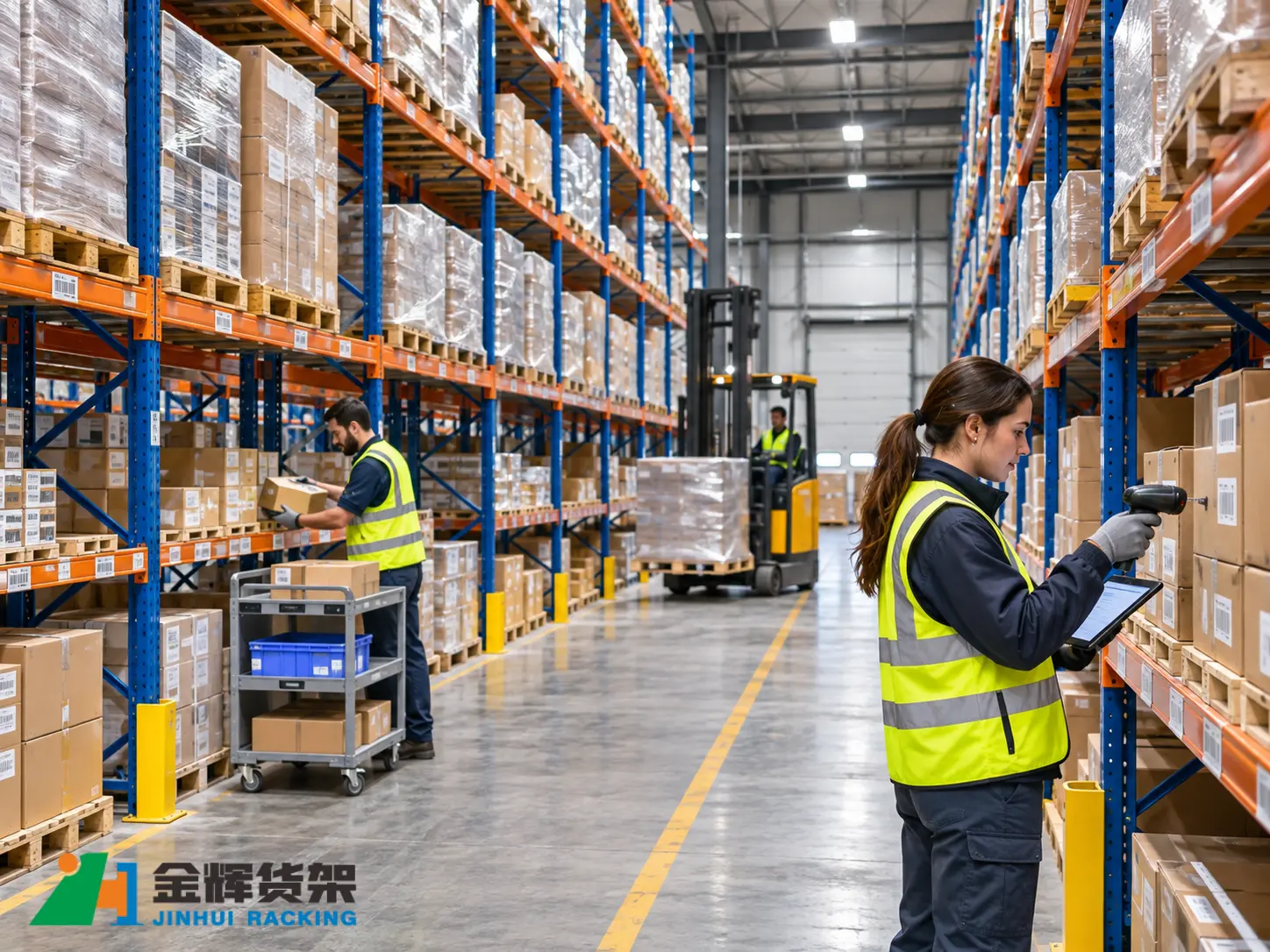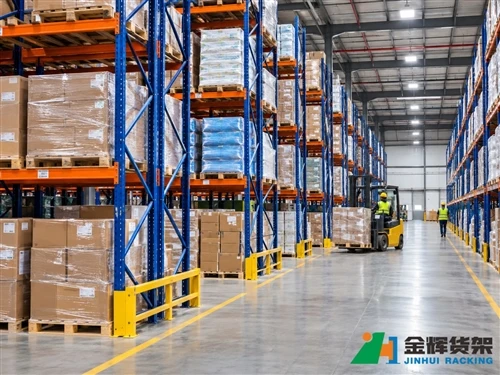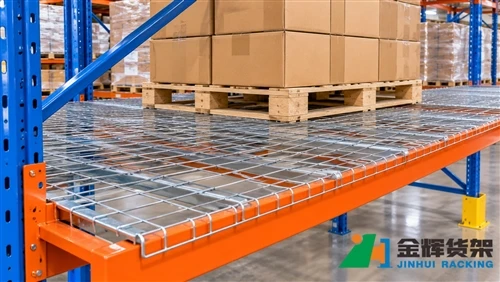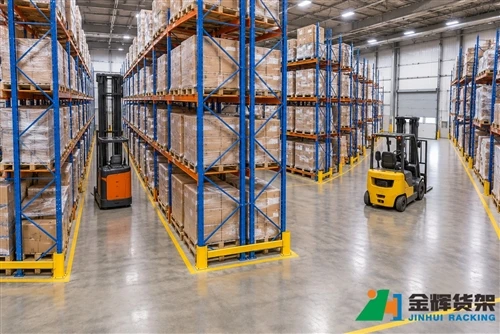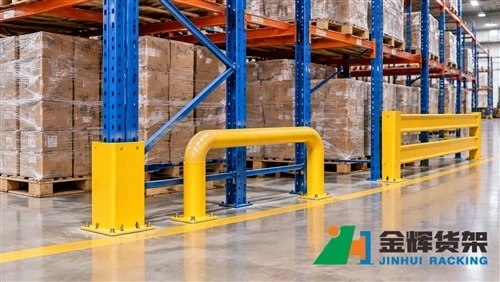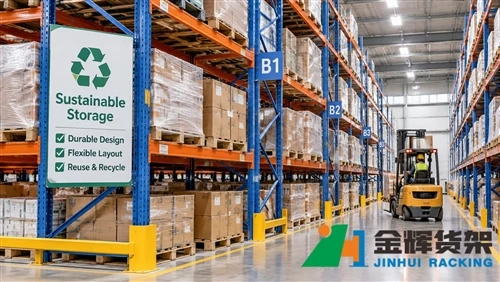
Efficient warehouse operations depend not only on storage capacity but also on where products are stored. When frequently picked items are placed far from picking and dispatch areas, warehouse employees may spend unnecessary time traveling between storage locations. Poor product positioning can also increase forklift movements and make inventory management more complicated.
Warehouse slotting optimization is the process of assigning suitable storage locations to products based on their picking frequency, inventory characteristics, dimensions and handling requirements. By organizing products according to actual warehouse activity, businesses can improve picking efficiency and make better use of their storage systems.
1. Understand Product Movement and Picking Frequency
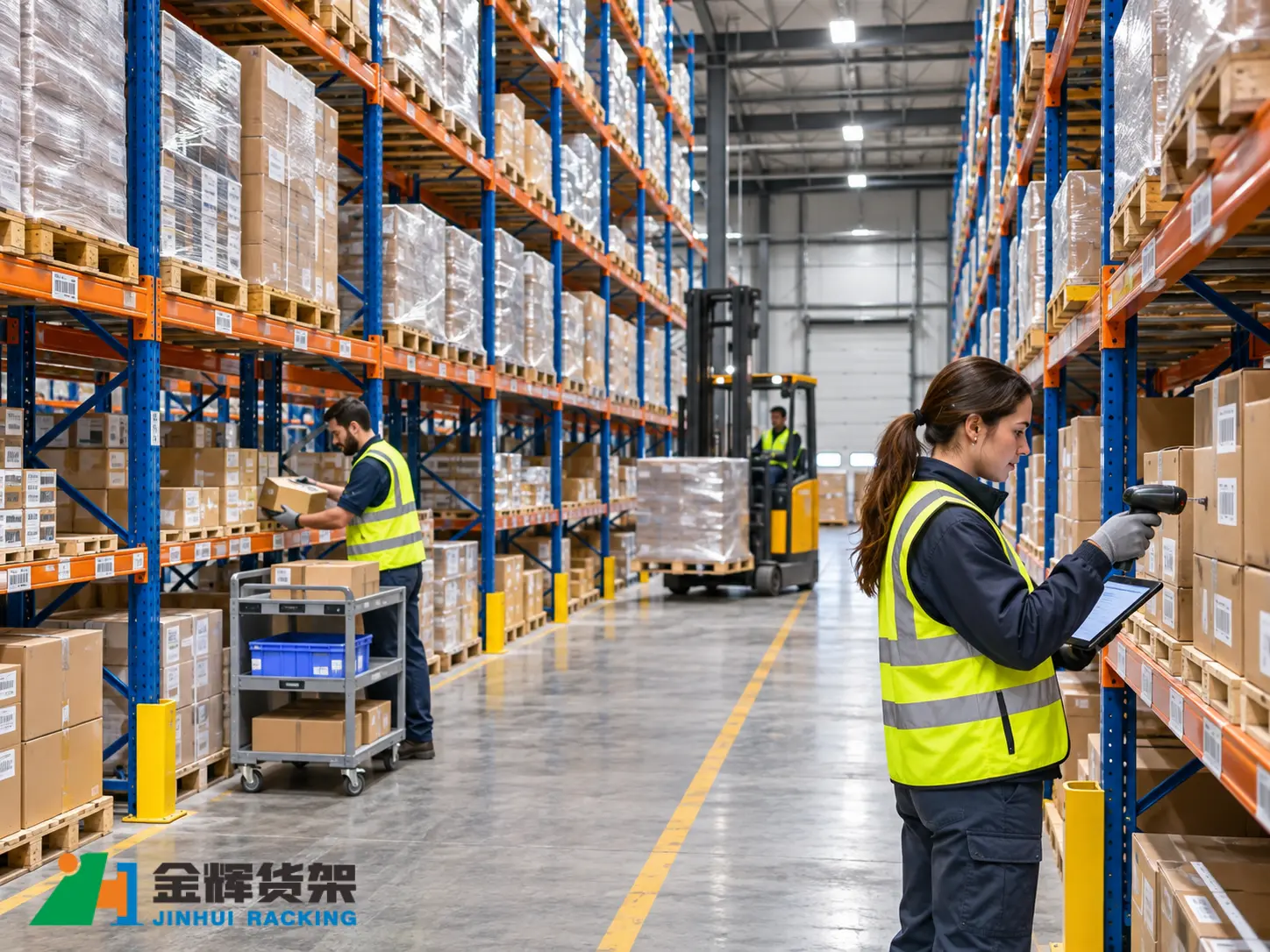
Before assigning storage locations, warehouse operators should understand how frequently different products are received, stored and picked.
Some products are ordered and dispatched every day, while others may remain in storage for weeks or months. Treating all products in the same way can lead to inefficient storage arrangements.
Useful information to review includes:
- Order picking frequency for each SKU
- Average daily or weekly outbound quantity
- Inventory turnover rate
- Number of order lines involving each product
- Seasonal changes in product demand
- Product dimensions and handling requirements
Historical warehouse transaction records can help identify which products require frequent access and which can be stored in less accessible locations.
2. Classify Inventory into Fast-Moving, Medium-Moving and Slow-Moving Products
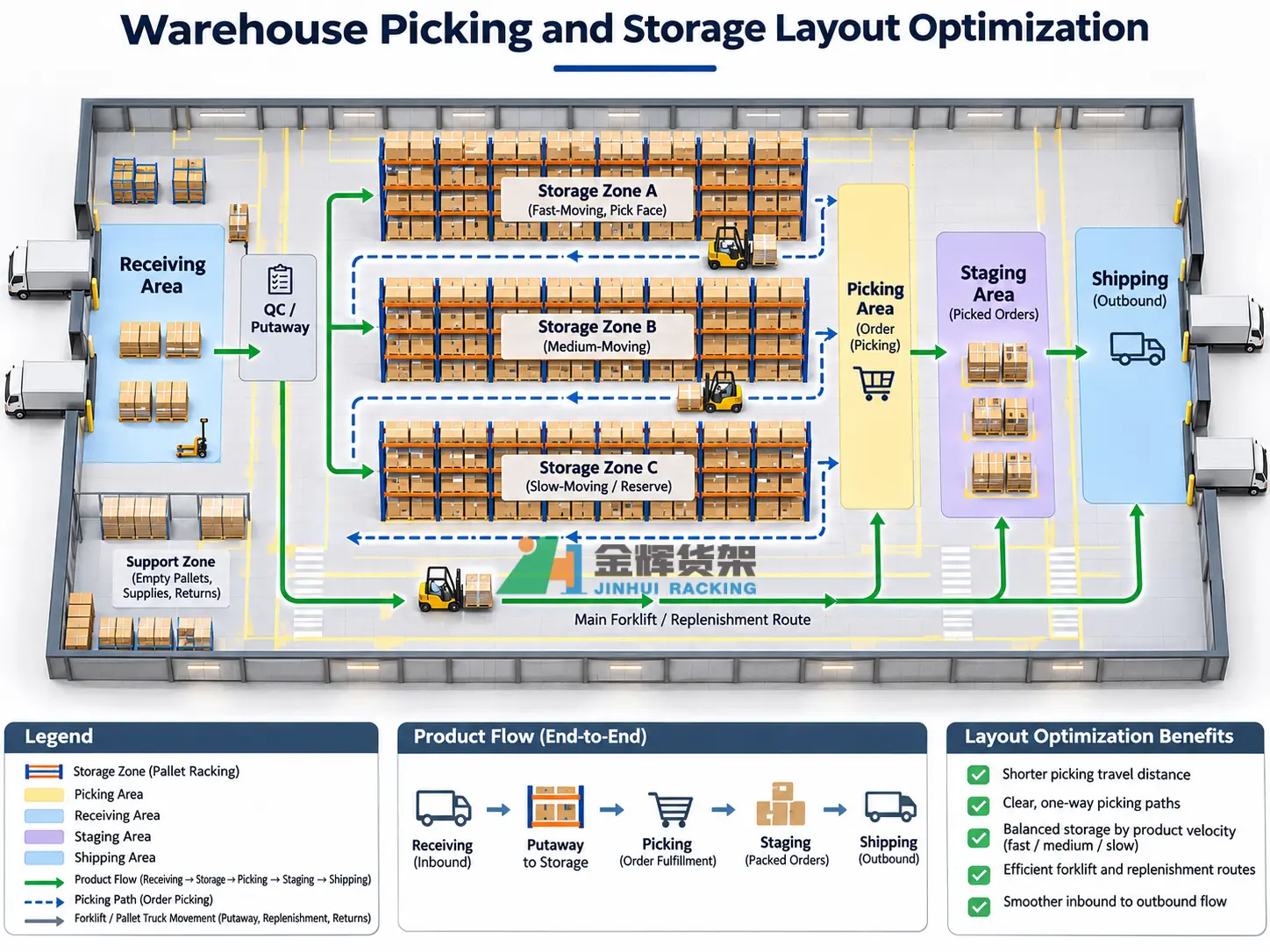
A practical warehouse slotting strategy is to divide inventory into different movement groups. This allows warehouse managers to assign storage locations according to picking frequency and operational priorities.
Fast-Moving Products
Fast-moving products are picked frequently and account for a relatively high proportion of warehouse picking activity. These items should generally be positioned in convenient locations with easy access.
Typical placement considerations include:
- Locations closer to picking and dispatch areas
- Storage levels that are convenient for the handling equipment
- Clear access for frequent picking operations
- Suitable replenishment arrangements to avoid stock shortages
Medium-Moving Products
Medium-moving products have a moderate picking frequency. They can be assigned to storage locations that balance accessibility and available warehouse space.
These products should remain easy to locate without occupying all the most convenient picking positions.
Slow-Moving Products
Slow-moving products have a relatively low picking frequency. They can often be stored in locations farther from the main picking area or in higher storage positions, provided that the rack design, handling equipment and safety requirements permit.
Placing slow-moving products in less frequently accessed locations can help reserve convenient storage positions for items with higher picking demand.
3. Use ABC Analysis to Support Warehouse Slotting
ABC analysis is a common inventory classification method that groups products according to their contribution to a selected business or operational measure.
For warehouse slotting, products can be classified using picking frequency, order-line activity or outbound volume.
- Class A: Products with the highest picking activity. These items generally deserve the most accessible storage locations.
- Class B: Products with moderate picking activity. These items can be placed in standard storage locations with reasonable accessibility.
- Class C: Products with lower picking activity. These items can be assigned to locations with less frequent access.
The classification should be based on actual warehouse data rather than assumptions. A product with a high inventory value does not necessarily have a high picking frequency, so the classification criteria should match the warehouse's operational goals.
ABC categories should also be reviewed periodically because product demand and order patterns may change over time.
4. Match Product Locations with Warehouse Racking Systems
Different racking systems provide different access methods and storage densities. Selecting a suitable system can help support the warehouse slotting strategy.
Selective Pallet Racking for Flexible Product Access
Selective pallet racking provides direct access to individual pallet positions. It is suitable for warehouses storing many different SKUs that require independent access.
This configuration can support flexible product positioning when inventory movement and picking requirements vary across product groups.
Explore our Selective Pallet Racking Solutions for flexible warehouse storage applications.
Pallet Flow Racking for FIFO Inventory Rotation
Pallet flow racking uses inclined roller tracks to move pallets from the loading side to the picking side. It is commonly used for products that require first-in, first-out (FIFO) inventory rotation.
It can be considered for warehouses handling products with defined inventory rotation requirements and sufficient pallet quantities for dedicated storage lanes.
Learn more about our Pallet Flow Racking System.
Drive-In Racking for High-Density Storage
Drive-in racking is designed for storing multiple pallets of similar products in depth. It can be suitable for inventory with larger quantities and relatively lower SKU variety.
When planning product locations, warehouse managers should consider the storage sequence and forklift access requirements before assigning products to individual lanes.
Explore our Drive-In Racking System.
Push Back Racking for Multi-Pallet-Deep Storage
Push back racking stores pallets on inclined rails with carts, allowing multiple pallets to be stored within one lane. It can help increase storage density while maintaining access to different product lanes.
This system may be considered for warehouses handling product groups with multiple pallets per SKU and relatively consistent inventory rotation.
View our Push Back Racking Solutions.
5. Consider Product Size, Weight and Handling Requirements
Picking frequency is important, but it should not be the only factor when assigning warehouse storage locations. Product dimensions, weight and handling requirements also influence the final slotting arrangement.
Before confirming product locations, consider:
- Product dimensions: Ensure the storage location can accommodate the actual product or pallet size.
- Load weight: Confirm that the rack configuration is suitable for the maximum stored load.
- Handling equipment: Check whether forklifts and other material-handling equipment can access the assigned locations.
- Product compatibility: Consider whether certain goods require separate storage areas or specific handling conditions.
- Replenishment frequency: Ensure frequently picked locations can be replenished without disrupting normal operations.
Products should be assigned to storage positions based on both operational efficiency and the technical requirements of the racking system.
6. Reduce Picking Travel Distance and Unnecessary Handling
Product positioning can directly affect the distance warehouse employees travel during order picking. A well-planned layout aims to reduce unnecessary movement while maintaining clear access to stored goods.
Practical measures include:
- Position frequently picked products closer to the main picking and dispatch areas.
- Group products that are often ordered together when the layout permits.
- Keep frequently replenished products in locations with convenient access.
- Avoid placing high-demand products in locations that require excessive handling.
- Maintain clear forklift routes and pedestrian access areas.
- Review storage assignments when order patterns change.
Warehouse slotting should also consider the relationship between receiving, storage, picking, packing and dispatch areas. Improving one storage location without considering the complete material flow may not produce the expected operational benefits.
7. Review and Update Warehouse Slotting Regularly
Warehouse slotting is not a one-time task. Product demand, order quantities and inventory structures may change throughout the year.
Warehouse managers should periodically review:
- Changes in product picking frequency
- Fast-moving products that require more convenient locations
- Slow-moving inventory occupying valuable picking positions
- Seasonal products and temporary storage demand
- Replenishment efficiency and picking travel distance
- Changes in pallet dimensions or load requirements
For warehouses using inventory management software, updated transaction data can help identify when product locations need to be adjusted.
Regular reviews help keep the storage layout aligned with actual warehouse operations rather than relying on outdated product classifications.
Conclusion
Warehouse slotting optimization helps businesses organize inventory according to picking frequency, product characteristics and operational requirements. By positioning fast-moving products in convenient locations and assigning suitable storage areas to medium- and slow-moving inventory, warehouses can improve picking efficiency and reduce unnecessary handling.
Combining an effective slotting strategy with an appropriate warehouse racking system can also help businesses make better use of available storage space. The best solution depends on SKU variety, inventory turnover, pallet specifications, handling equipment and the overall warehouse workflow.
Optimize Your Warehouse Storage Layout with JINHUI RACK
Looking to improve warehouse picking efficiency or reorganize your existing storage layout?
Nanjing Jinhui Storage Equipment Co., Ltd. provides customized warehouse racking solutions for different inventory types, storage capacities and operational requirements.
Share your warehouse dimensions, pallet specifications and storage requirements with our team. We can help evaluate suitable racking configurations for your warehouse project.
Contact JINHUI RACK today to discuss your warehouse storage planning requirements and request a customized quotation.
Email: info@jhrack.com
WhatsApp: +86 185 0252 7163