Pallet Rack Beam Deflection: Inspection, Measurement and Serviceability Checks
Pallet rack beams support palletized goods across the storage bay and transfer their loads to the upright frames. When loaded, a beam may experience a degree of vertical deflection. Understanding this behavior is important for warehouse operators, rack inspectors, and facility managers responsible for storage system safety.
Not every visible beam movement indicates structural damage. Some deflection may occur under normal loading, while excessive deformation, permanent bending, or localized damage may indicate a problem that requires further investigation.
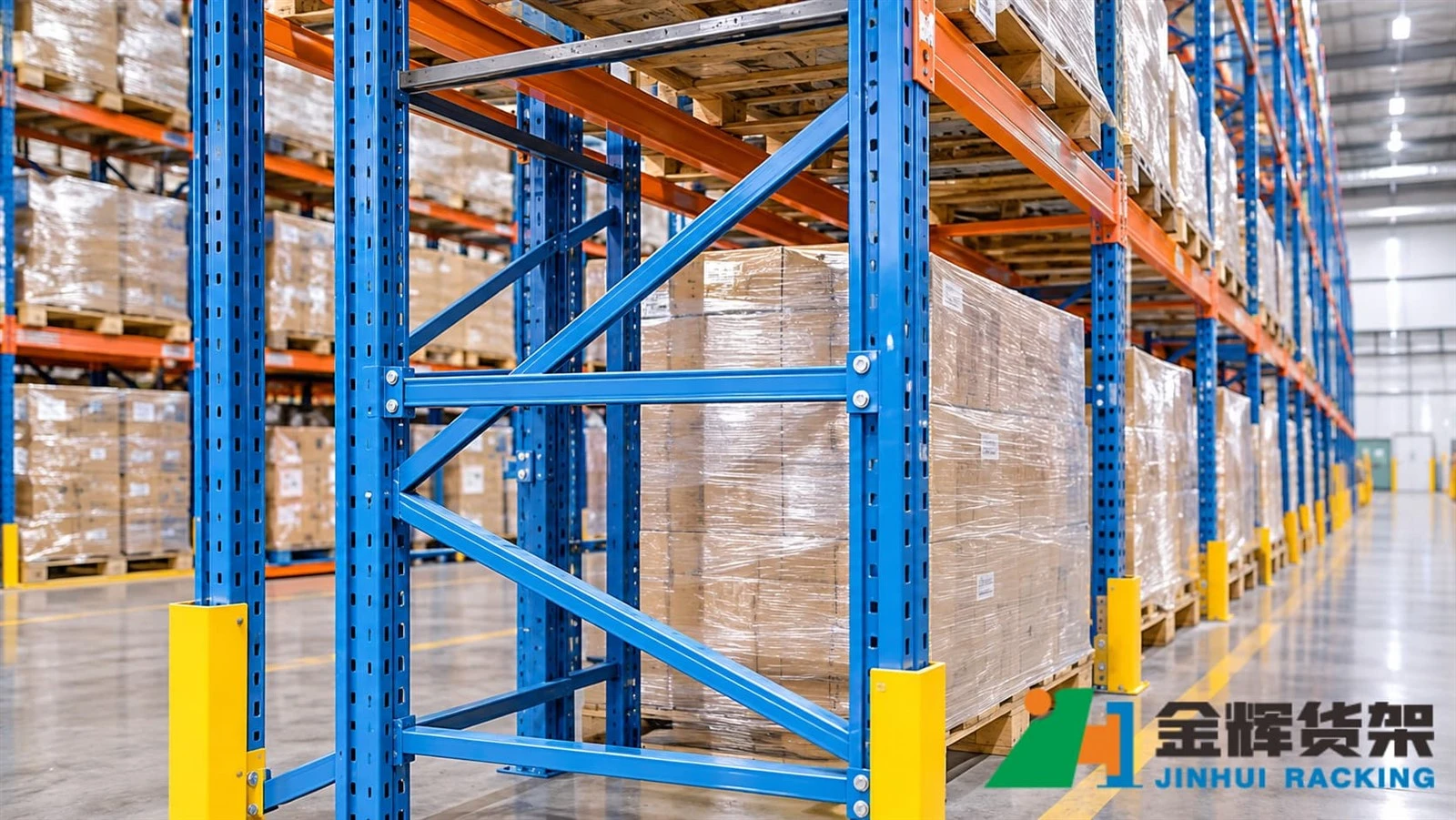
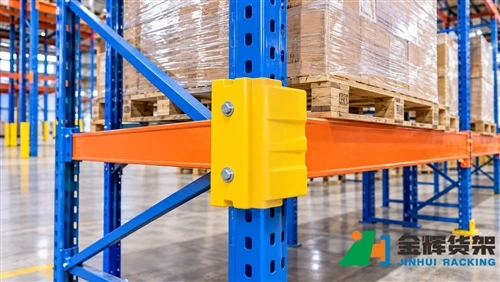
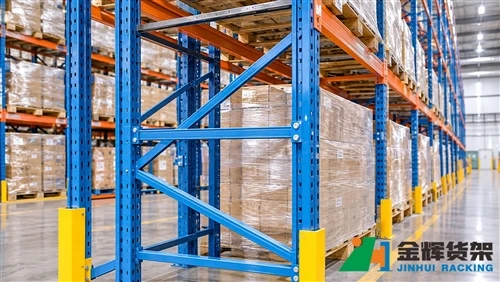
Pallet rack beams support stored pallet loads between upright frames in an industrial warehouse.
1. What Is Pallet Rack Beam Deflection?
Beam deflection is the vertical displacement of a rack beam when it carries a load. As pallets are placed on a beam level, the beam may bend downward slightly under the applied load.
The amount of deflection depends on several factors, including:
- Beam span and cross-sectional profile.
- Material properties and beam stiffness.
- Magnitude and distribution of the applied load.
- Position of pallets and their contact points.
- Beam connection and support conditions.
- The design assumptions and specifications of the rack system.
Beam deflection should be evaluated against the requirements established for the specific racking system. A general visual estimate cannot confirm whether a beam is within its approved serviceability limits.
2. Elastic Deflection vs. Permanent Deformation
One important inspection distinction is whether a beam returns to its original shape after the load is removed or retains a visible deformation.
2.1 Elastic deflection under load
Elastic deflection is the temporary displacement that occurs when a beam carries a load. Within its intended design range, the beam may return substantially to its unloaded shape after the load is removed.
The amount of acceptable movement must be determined using the manufacturer's design criteria and applicable engineering requirements.
2.2 Permanent deformation
Permanent deformation remains after the applied load has been removed. It may result from overloading, impact, material damage, or another condition that has changed the beam's original shape.
A beam that remains visibly bent when unloaded should not automatically be treated as normal elastic deflection. It requires further assessment.
2.3 Localized damage
A beam may also have localized dents, twists, flange damage, cracks, or damaged end connectors. These conditions are different from normal vertical deflection and may affect structural performance even when the overall beam shape appears relatively straight.
3. Factors That Influence Beam Deflection
3.1 Beam span
The distance between the supporting upright frames influences beam stiffness and deflection. A longer span generally requires greater attention to beam section properties and the specified design loading.
3.2 Load magnitude
Greater applied loads can produce greater beam deflection. Warehouse teams should verify that the actual pallet weight, including packaging and pallet weight, remains within the approved loading configuration.
3.3 Load distribution
A uniformly distributed load and a concentrated load do not necessarily produce the same deflection pattern. Pallet dimensions, runner positions, and contact locations influence how the load is transferred to the beam.
Placing a pallet incorrectly or allowing its load to rest on an unsuitable contact area can create loading conditions that differ from the original design assumptions.
3.4 Beam profile and material
Beam height, flange geometry, wall thickness, steel properties, and manufacturing details all influence stiffness. Beams that appear similar externally may have different structural characteristics.
3.5 Connection and support conditions
The beam end connectors and their engagement with the upright frame are part of the load-bearing arrangement. Damaged connectors, incomplete engagement, or an incompatible beam replacement may affect the intended structural behavior.
4. Common Signs of Beam Problems
Warehouse personnel should look beyond the overall downward shape of a loaded beam. The following conditions may indicate a need for closer inspection.
| Observed condition | Possible concern | Recommended action |
|---|---|---|
| Unusual downward curvature | Excessive loading or unexpected deflection | Verify loading conditions and assess against the approved criteria. |
| Beam remains bent after unloading | Permanent deformation | Arrange a competent inspection before reuse. |
| Twisted beam profile | Impact or structural damage | Restrict use where necessary and obtain technical assessment. |
| Cracks or torn steel | Potential material failure | Isolate the affected storage position and arrange urgent assessment. |
| Damaged end connector | Compromised beam-to-upright connection | Check connector condition and engagement. |
| Uneven deformation across the beam | Uneven loading or localized damage | Review pallet placement and inspect the beam along its full length. |
5. How to Inspect Pallet Rack Beam Deflection
A practical inspection should distinguish between temporary movement under load and permanent deformation. The following process provides a structured approach.
5.1 Identify the beam and rack location
Record the aisle, bay, beam level, beam length, and rack configuration. This information helps the inspection team locate the component and compare it with the original drawings or specifications.
5.2 Check the beam in its loaded condition
Observe the beam while it is carrying its normal operating load, provided the inspection can be conducted safely. Note any unusual downward curvature, uneven loading, or differences between the two beam ends and the center region.
Do not climb onto the rack or enter an unsafe position to obtain a measurement. Any measurement procedure must follow the site's safety requirements.
5.3 Check the beam after unloading when appropriate
If a beam appears unusually deformed, an authorized and safely planned unloading process may be necessary to determine whether the deformation remains after the load is removed.
Warehouse personnel should not independently remove pallets from a potentially damaged rack without considering the unloading sequence and surrounding structural conditions.
5.4 Measure deflection using a consistent reference
Where measurement is required, use a suitable measuring method and a clearly defined reference line or datum. Record the beam's condition, loading state, measurement location, and applied load information.
Measurements should be compared with the manufacturer's specified limits or the project engineer's acceptance criteria. Do not use an assumed universal deflection ratio as a substitute for the actual rack design requirements.
5.5 Inspect the beam connections
Check both beam ends for damaged hooks, distorted connector plates, missing locking pins or safety clips where specified, and signs of incomplete engagement with the upright slots.
A beam may show no obvious excessive deflection while still having a connection problem. Both the beam body and its end connections should be inspected.
6. What Can Cause Excessive Beam Deflection?
6.1 Loads exceeding the approved configuration
Excessive pallet weights or a change in the original storage arrangement may result in loading conditions outside the approved design. Verify actual pallet gross weight and compare it with the applicable beam-level and bay loading information.
6.2 Incorrect pallet positioning
Pallets that are not positioned as intended may create uneven or concentrated loading. Damaged pallet runners or unsuitable pallet dimensions can also change the contact conditions between the pallet and the supporting beams.
6.3 Forklift impact
Forklift contact can bend, twist, or locally damage a beam. Impact damage may not always be obvious from the front of the rack, so the affected component should be inspected from accessible sides.
6.4 Incorrect replacement components
Replacing an original beam with a component of a different profile, length, or connection design can change the structural characteristics of the rack level.
Replacement beams should be verified for compatibility with the rack system and its approved configuration.
6.5 Changes to the storage layout
Changing pallet dimensions, load positions, beam elevations, or the number of storage levels may affect the original design assumptions. Any significant configuration change should be reviewed before implementation.
7. How to Respond to a Beam with Suspected Excessive Deflection
When a beam appears excessively deformed or damaged, the response should prioritize personnel safety and prevent further loading of a potentially compromised component.
- Identify the affected location: Record the aisle, bay, level, and beam position.
- Document the condition: Take photographs from safe, accessible positions and record whether the beam is loaded or unloaded.
- Control the affected storage position: Prevent additional loading and restrict access where necessary.
- Arrange a safe assessment: Have the affected area inspected by a competent person with suitable rack system knowledge.
- Review the original design: Compare the beam profile, span, loading information, and connection details with the approved documentation.
- Determine the corrective action: Follow the manufacturer's instructions or an engineering assessment to establish whether repair or replacement is required.
- Record the result: Document the inspection, corrective work, and authorization before returning the storage position to service.
Do not attempt to straighten a damaged beam with a forklift, hammer, heating, or unapproved welding. Such actions can further alter the steel properties or connection geometry.
8. Beam Deflection Is Not the Same as Beam Load Capacity
Beam load capacity and beam deflection are related engineering considerations, but they are not interchangeable.
Load capacity concerns the allowable loading established for the specified beam and rack configuration. Deflection concerns the amount of displacement under a particular loading condition.
A beam may need to be assessed for serviceability even when the applied load appears to be within the stated capacity. Conversely, a visual estimate of small deflection cannot confirm that a beam is safely loaded.
Warehouse operators should therefore check both the approved loading information and the condition of the physical components. Neither should be used as a substitute for the other.
9. Preventive Practices for Warehouse Operators
Good storage practices can help reduce avoidable beam damage and make changes in beam condition easier to identify.
- Keep pallet gross weights within the approved rack loading configuration.
- Position pallets according to the rack and pallet support design.
- Train forklift operators to avoid contact with beams and connectors.
- Inspect beams after reported impacts or abnormal loading events.
- Keep beam specifications and rack layout drawings accessible.
- Use compatible, approved replacement beams and connection components.
- Record inspection findings and monitor recurring damage locations.
- Arrange professional inspections in accordance with applicable requirements.
10. Information to Confirm During a Beam Assessment
For a more reliable technical assessment, collect the following information:
- Rack manufacturer and system identification.
- Beam length, profile, and component reference.
- Beam elevation and rack bay configuration.
- Actual pallet gross weight and load distribution.
- Beam condition under load and, where safely established, after unloading.
- Measurement method and recorded deflection.
- Condition of beam connectors and locking devices.
- Any history of forklift impact, overloading, or rack modification.
These details help the manufacturer or qualified engineer evaluate the beam against the correct design criteria rather than relying on appearance alone.
Conclusion
Pallet rack beam deflection is a normal engineering consideration when beams carry storage loads, but excessive movement or permanent deformation should never be ignored. Understanding the difference between elastic deflection, residual bending, and localized damage helps warehouse teams identify conditions that require further investigation.
By checking actual loading conditions, pallet positioning, beam connections, and measured deformation against the approved design criteria, warehouse operators can make better maintenance decisions. When a beam shows unusual or permanent deformation, the affected storage position should be controlled and assessed before it is returned to service.
Contact Us
Planning a pallet racking project or reviewing the beam configuration of your warehouse storage system? Contact Jinhui Rack to discuss your storage requirements and rack design.
Email: info@jhrack.com
WhatsApp: +86 185 0252 7163