Pallet Rack Frame Bracing: Diagonal Braces, Horizontal Braces and Inspection Checks
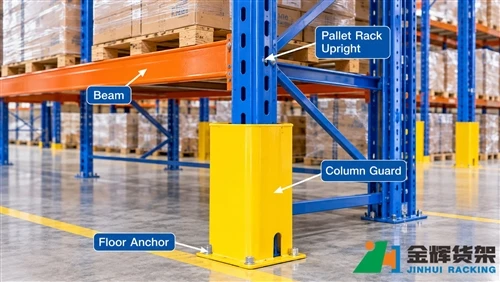
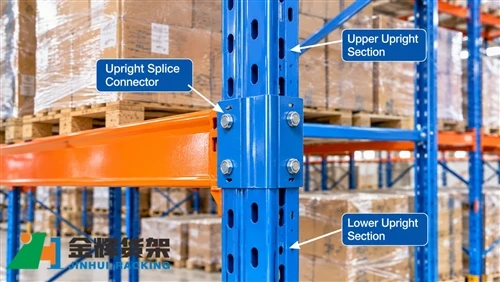
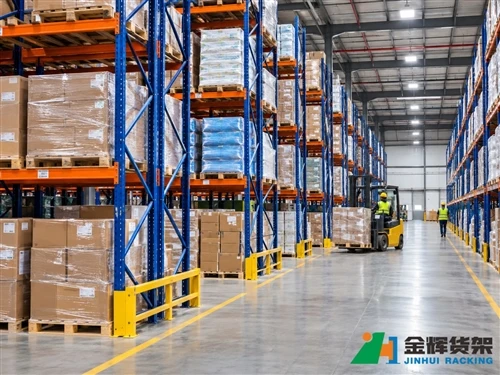
Pallet rack frames are not made up of upright columns alone. Diagonal and horizontal bracing members connect the columns to form a rigid frame assembly. These components help maintain the intended frame geometry and contribute to the structural stability of the pallet racking system.
Although frame braces are often less visible than beams and uprights, their condition is an important part of rack maintenance. A missing brace, damaged connection, or unauthorized modification can affect the structural behavior of the frame.
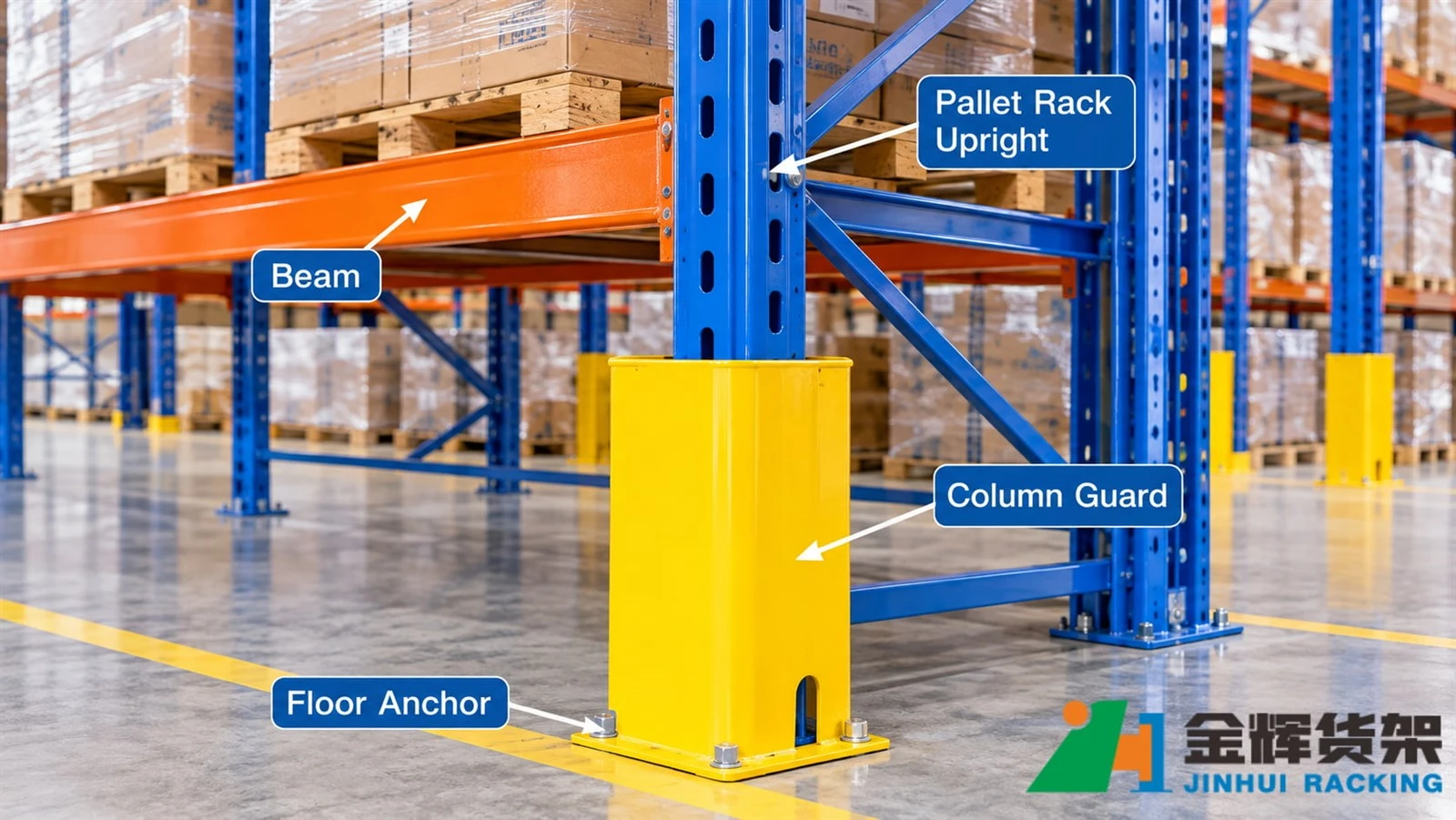
Diagonal and horizontal bracing members connect pallet rack frame columns to maintain the designed frame configuration.
1. What Is Pallet Rack Frame Bracing?
Pallet rack frame bracing refers to the structural members installed between upright columns. These members form part of the upright frame assembly and are arranged according to the rack manufacturer's structural design.
Depending on the system, a frame may include:
- Diagonal braces: Members installed at an angle between upright columns.
- Horizontal braces: Members connecting the columns horizontally at specified positions.
- Brace connection plates or brackets: Components used to connect braces to the upright columns.
- Fasteners: Bolts, rivets, or other specified fixing components, depending on the frame design.
The number, position, profile, and connection method of these members vary between rack systems. They should not be treated as interchangeable components.
2. Diagonal Braces and Horizontal Braces
2.1 Diagonal bracing
Diagonal braces run between upright columns at an angle. They form triangulated sections within the frame, helping the frame resist deformation in its designed plane.
The angle, length, spacing, and connection positions are determined by the frame design. A diagonal brace should not be moved or replaced with a different length simply because another arrangement appears to fit.
2.2 Horizontal bracing
Horizontal braces connect adjacent upright columns across the frame width. They help maintain the specified spacing and geometry between the columns and work together with the diagonal members.
Horizontal and diagonal braces are designed as part of a complete frame arrangement. Removing one member may change how forces are distributed through the frame.
2.3 Brace connection components
The connection between a brace and an upright is just as important as the brace itself. Depending on the design, the connection may use bolts, rivets, welded details, or dedicated brackets.
Inspectors should confirm that the connection arrangement matches the approved drawings and that no fixing components are missing, visibly damaged, or improperly substituted.
3. Why Frame Bracing Matters
Frame bracing contributes to the overall structural behavior of a pallet rack upright frame. Its importance can be understood through several functions.
3.1 Maintaining frame geometry
Bracing helps maintain the designed relationship between upright columns. This is important because changes in column spacing or frame geometry may affect the intended structural behavior.
3.2 Providing resistance within the frame plane
The arrangement of diagonal and horizontal members helps the frame resist deformation within its designed plane. The exact structural contribution depends on the bracing layout, member properties, and connection details.
3.3 Supporting the complete rack structure
Upright frames work together with beams, base plates, anchors, and other structural components. Bracing is one part of this system and should be assessed as part of the complete rack configuration.
4. Common Frame Bracing Problems
Warehouse operations can expose rack frames to forklift impacts, accidental contact, corrosion, and unauthorized alterations. The following conditions should be included in routine inspections.
| Observed condition | Possible concern | Inspection response |
|---|---|---|
| Bent diagonal brace | Impact damage or deformation | Record the location and arrange a competent assessment. |
| Missing horizontal brace | Incomplete frame configuration | Compare with approved frame drawings. |
| Loose or missing fastener | Potentially compromised connection | Verify the specified fixing arrangement. |
| Cracked connection area | Possible structural damage | Restrict use where necessary and obtain technical assessment. |
| Corrosion on brace members | Possible material deterioration | Assess the extent and impact of corrosion. |
| Unauthorized replacement | Unverified member dimensions or capacity | Check compatibility with the original design. |
5. How to Inspect Pallet Rack Frame Bracing
A useful inspection should cover both the brace members and their connections. The following checks provide a practical starting point for warehouse maintenance teams.
5.1 Check the complete bracing arrangement
Compare the installed frame with the approved drawings or manufacturer documentation. Confirm that the required diagonal and horizontal members are present and positioned correctly.
Do not assume that two frames are identical simply because they have similar dimensions. Different frame heights, loads, and configurations may require different bracing layouts.
5.2 Inspect for bending and deformation
Look along the length of each accessible brace for visible bending, twisting, buckling, or other changes in shape. Pay attention to areas near forklift travel routes and locations where pallets are frequently handled.
5.3 Examine brace connections
Inspect the fixing points at both ends of each brace. Look for missing fasteners, damaged holes, cracked brackets, displaced components, and signs of movement.
Where tightening or replacement is required, follow the specified procedure and use approved components. Do not apply an assumed torque value or substitute generic hardware.
5.4 Check for corrosion and surface damage
Surface corrosion, coating damage, and deep scratches should be recorded. The seriousness of the condition depends on its location, extent, and effect on the member or connection.
5.5 Look for unauthorized modifications
Cutting a brace, drilling additional holes, welding extra plates, or removing a member can change the frame's structural behavior. Any such modification requires review by the rack manufacturer or a qualified structural engineer.
6. What to Do When a Brace Is Damaged
When a damaged or missing frame brace is identified, warehouse operators should use a controlled response rather than attempt an immediate improvised repair.
- Identify the location: Record the aisle, bay, frame, and height of the affected member.
- Document the condition: Take clear photographs of the brace and both connection points.
- Control the affected area: Where structural integrity may be compromised, restrict access or loading as appropriate until the condition is assessed.
- Check the original design: Review the rack drawings, frame configuration, and component specifications.
- Obtain technical advice: Ask the manufacturer or a qualified structural professional to determine the appropriate corrective action.
- Complete an approved repair: Use the specified replacement member and connection components.
- Record the result: Document the repair, inspection findings, and authorization to return the affected area to service.
If a damaged brace is part of a frame with other visible deformation, the assessment should consider the entire frame rather than treating the brace as an isolated component.
7. Why Improvised Bracing Changes Are Risky
Frame bracing is designed as a coordinated arrangement. Replacing a diagonal member with a different profile, changing its position, or adding an unapproved connection can affect the load path and stiffness of the frame.
Even if a replacement member appears physically stronger, it may not have the correct dimensions, connection geometry, or design compatibility.
For this reason, warehouse teams should not remove, relocate, weld, or substitute structural braces without an approved technical solution. Any required change should be reviewed against the complete rack design and operating loads.
8. Preventive Maintenance Recommendations
A consistent inspection routine helps warehouse operators identify bracing problems and maintain the intended rack configuration.
- Include diagonal and horizontal braces in routine rack inspections.
- Pay additional attention to frames near forklift routes and loading areas.
- Inspect brace connections after reported impacts or abnormal events.
- Keep approved frame drawings and component references accessible.
- Record missing, bent, corroded, or modified bracing members.
- Use only manufacturer-approved replacement components.
- Train warehouse personnel to report damage instead of attempting structural repairs.
Inspection frequency should reflect the applicable requirements, warehouse operating conditions, rack manufacturer's recommendations, and the results of previous inspections.
9. Information to Confirm Before Replacing Frame Braces
Before ordering replacement bracing components, confirm the following information:
- Rack manufacturer and system identification.
- Upright frame height and width.
- Brace type, length, and profile.
- Brace position and connection arrangement.
- Fastener type and required fixing details.
- Original frame drawings or component references.
- Any previous damage, repairs, or structural modifications.
These details help ensure that replacement components are compatible with the original rack system and its intended structural configuration.
Conclusion
Diagonal and horizontal braces are important parts of a pallet rack upright frame. They help maintain the designed frame geometry and contribute to its structural behavior.
Regularly checking brace condition, connection security, corrosion, and unauthorized modifications helps warehouse operators identify potential problems. When damage is found, the appropriate response is to compare the frame with its approved design and obtain qualified technical guidance before carrying out repairs or returning the affected area to service.
Contact Us
Planning a warehouse pallet racking project or looking for a suitable storage system? Contact Jinhui Rack to discuss your warehouse layout, storage requirements, and racking configuration.
Email: info@jhrack.com
WhatsApp: +86 185 0252 7163