What Is Drive-In Pallet Racking?
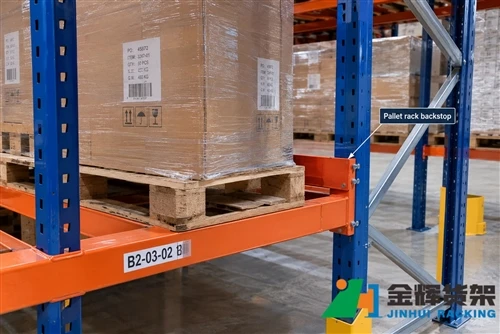
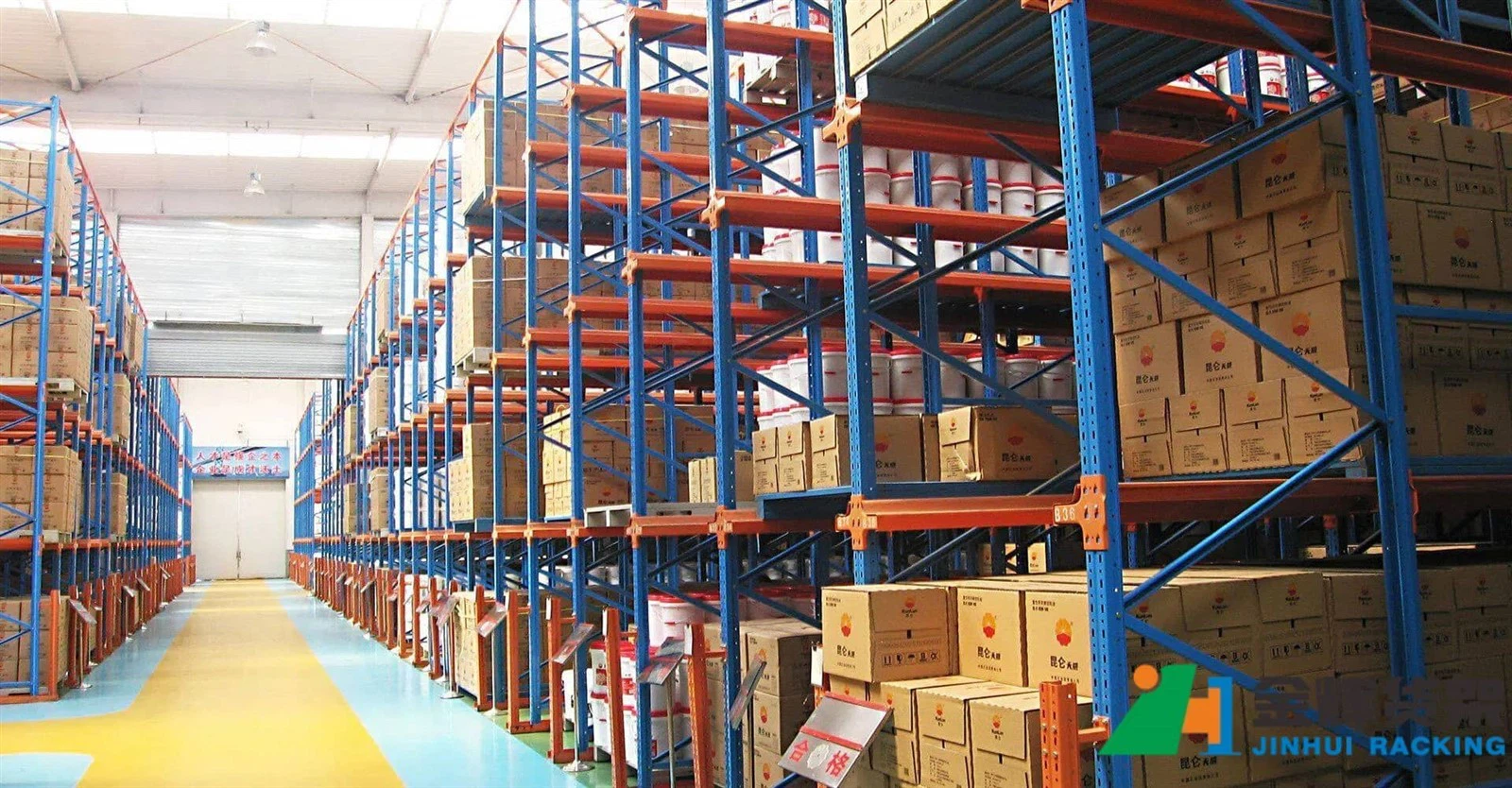
Drive-in pallet racking is a high-density storage system designed to maximize warehouse space by minimizing aisle requirements. In this system, forklifts enter directly into the rack lanes to store and retrieve pallets.
This solution is ideal for storing large volumes of similar products and is widely used in industries such as cold storage, food distribution, and manufacturing.
To better understand how this system is configured in real projects, you can review a complete drive-in pallet racking solution including structure and layout options.
Why Businesses Choose Drive-In Racking
- Maximizes storage density by reducing aisle space
- Suitable for bulk storage with low SKU variety
- Improves warehouse space utilization
- Supports LIFO (Last In, First Out) inventory systems
- Allows deep lane storage (typically 2–10 pallets deep)
Because forklifts operate inside the rack structure, proper design and load calculation are critical for safety and efficiency.
Where Can You Find Drive-In Pallet Racking for Sale?
There are several sourcing options depending on your project size, customization needs, and budget.
1. Local Warehouse Equipment Suppliers
Local suppliers provide quick delivery and installation services. However, their systems are often standardized, which may not fully match complex warehouse layouts.
2. Used Racking Dealers
Used drive-in racks can reduce costs by 40–60%. However, availability is limited, and system compatibility must be carefully checked.
3. Online Global Suppliers
Online sourcing platforms provide access to many suppliers worldwide. While this increases options, verifying product quality and supplier reliability is essential.
4. Professional Racking Manufacturers (Recommended)
Working directly with a manufacturer is often the most efficient option for drive-in racking projects. Manufacturers can provide:
- Custom dimensions based on warehouse layout
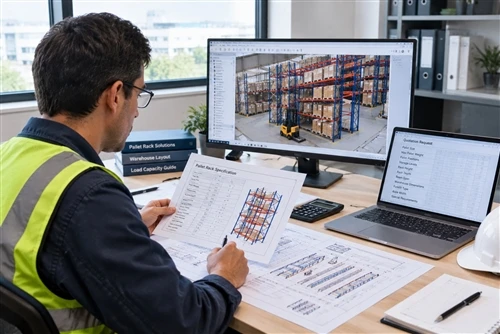
- Load capacity calculations and engineering support
- Optimized lane depth and structural configuration
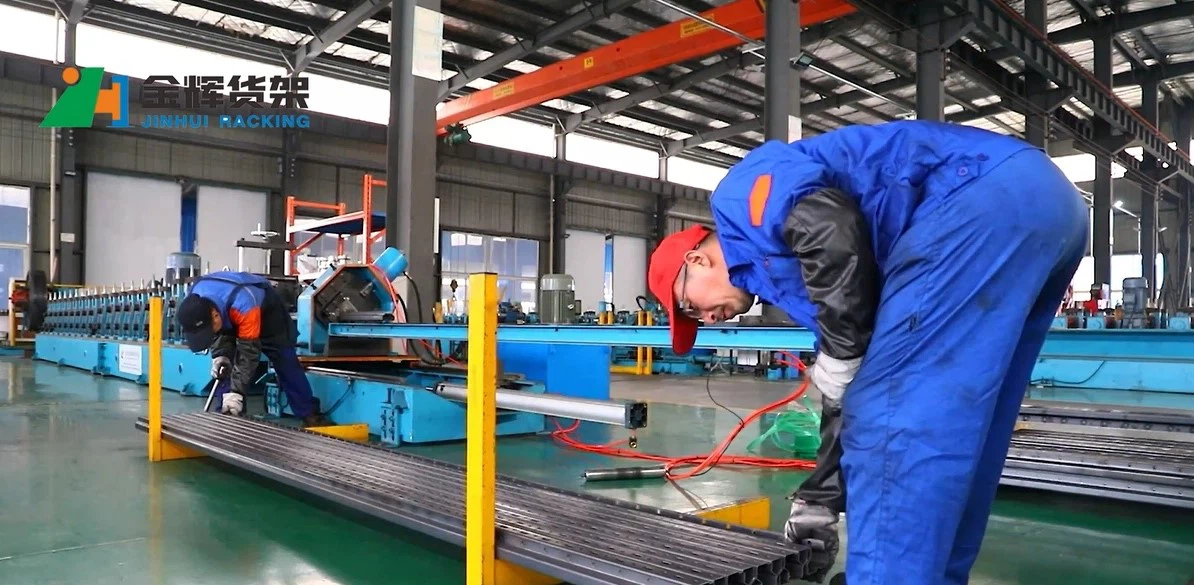
- Production control and consistent quality
A professional drive-in rack supplier can also support full project planning, from design to production and installation guidance.
How Much Does Drive-In Pallet Racking Cost?
The cost of drive-in pallet racking depends on system design, load capacity, and project size. Below is a general pricing reference:
| System Type | Price Range (USD per position) |
|---|---|
| Standard Drive-In Racking | $150 – $300 |
| Heavy Duty Drive-In Racking | $250 – $450 |
| Customized Drive-In System | $300 – $600+ |
Final pricing depends on warehouse size, pallet specifications, and structural requirements.
New vs Used Drive-In Racking
| Factor | New Racking | Used Racking |
|---|---|---|
| Customization | Fully customizable | Limited options |
| Price | Higher upfront cost | Lower initial investment |
| Availability | Production required | Depends on stock |
| Condition | Brand new | May vary |
Is Drive-In Racking Right for Your Warehouse?
- Best for storing large quantities of similar products
- Ideal for cold storage and bulk inventory
- Suitable when maximizing storage density is a priority
- Not ideal for high SKU variety or FIFO operations
Typical Custom Drive-In Racking Process
- Provide warehouse dimensions and pallet details
- Receive layout design and load calculations
- Confirm system configuration and specifications
- Manufacturing and quality inspection
- Delivery and installation support
Why Buying Directly from a Manufacturer Is More Efficient
- Factory-direct pricing without middleman costs
- Full customization based on real project requirements
- Engineering support and structural safety assurance
- Better control over production quality and delivery
Final Thoughts
Finding drive-in pallet racking for sale requires evaluating suppliers, system design, and project requirements. For high-density storage applications, working directly with an experienced manufacturer can provide better performance, flexibility, and long-term value.
A well-designed drive-in pallet racking system can significantly increase warehouse capacity while maintaining safe and efficient operations.