Best Practices for Using Push Back Racking in Warehouses
Push back racking is one of the most effective high-density warehouse storage systems for improving pallet storage capacity and operational efficiency. However, proper usage is essential to maximize storage performance, maintain operational safety, and reduce rack damage.
When correctly operated, push back pallet racking can help warehouses improve forklift productivity, reduce aisle congestion, and optimize inventory management.
Businesses planning high-density warehouse storage often choose push back rack systems to improve warehouse space utilization and pallet handling efficiency.
Warehouses that are new to this storage method can also review what push back racking is and how push back racking works before implementing daily warehouse operations.

Understanding How Push Back Racking Operates
Push back racking uses a Last-In, First-Out (LIFO) inventory system.
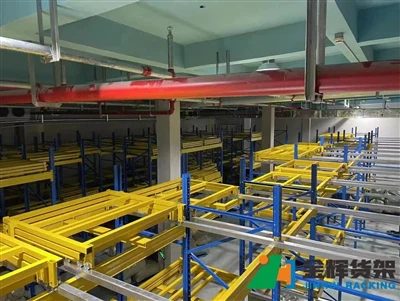
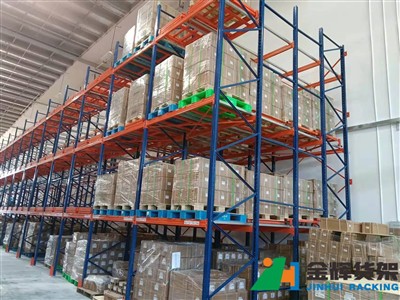
Pallets are loaded from the front aisle onto inclined rails equipped with nested carts or rollers. Each new pallet pushes the previous pallet deeper into the storage lane.
During unloading, gravity automatically moves the remaining pallets forward toward the picking position.
This system allows forklifts to operate entirely from the front aisle without entering the rack structure.
Best Practices for Loading Push Back Racking
Correct pallet loading is critical for smooth cart movement and long-term rack safety.
1. Use Consistent Pallet Sizes
Push back systems perform best when pallets are uniform in size and shape.
Using damaged or irregular pallets may cause:
- Uneven cart movement
- Pallet instability
- Rail misalignment
- Operational safety risks
2. Center Pallets Properly
Pallets should always be centered correctly on the carts or rails.
Improper positioning may create uneven load distribution and increase the risk of pallet jams.
3. Follow Load Capacity Limits
Every push back rack system is designed with specific load capacity requirements.
| Operational Factor | Importance |
|---|---|
| Correct pallet weight | Maintains structural safety |
| Uniform pallet loading | Improves cart movement |
| Balanced pallet placement | Reduces rail stress |
Overloading rack lanes can damage rails, carts, and structural components.

How to Unload Push Back Racking Safely
During unloading, forklift operators remove the front pallet first. Gravity then automatically moves the next pallet forward.
Safe unloading procedures include:
- Removing pallets smoothly
- Avoiding sudden forklift impacts
- Checking pallet stability before lifting
- Keeping forklift forks level
- Inspecting rails for obstruction
Careful unloading reduces the risk of product damage and rack wear.
How to Organize Inventory in Push Back Racking
Proper inventory organization is essential for efficient push back rack operation.
Because push back systems operate using LIFO inventory flow, they are best suited for:
- Bulk pallet storage
- Fast-moving inventory
- Seasonal inventory
- Multiple pallets per SKU
Warehouses storing highly time-sensitive products may require FIFO storage systems instead.
How Deep Should Push Back Rack Lanes Be?
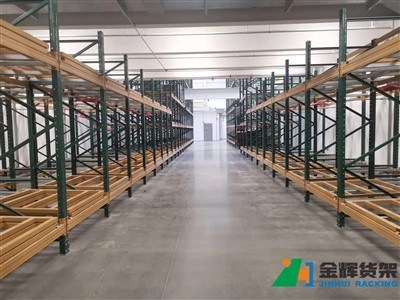
Push back rack systems are commonly designed between 2 and 6 pallets deep.
| Rack Depth | Typical Warehouse Application |
|---|---|
| 2–3 Deep | Medium-density storage |
| 4–5 Deep | High-density pallet storage |
| 6 Deep | Maximum space optimization |
Choosing the correct lane depth depends on SKU quantity, pallet turnover rate, and warehouse layout.
Forklift Operation Tips for Push Back Racking
Forklift operation plays a major role in push back rack performance and safety.
Operators should:
- Approach pallets slowly
- Avoid sudden impacts
- Keep forks level during loading
- Follow designated aisle traffic routes
- Inspect pallets before loading
Proper forklift operation helps reduce rack damage and extend system lifespan.
Common Mistakes When Using Push Back Racking
Several operational mistakes can reduce storage efficiency and increase maintenance costs.
| Common Mistake | Potential Result |
|---|---|
| Using damaged pallets | Pallet jams and safety risks |
| Overloading rack lanes | Structural damage |
| Improper forklift operation | Rack impact and product damage |
| Uneven pallet placement | Rail misalignment |
Routine operator training helps warehouses avoid these common operational problems.
How Push Back Racking Improves Warehouse Efficiency
When properly used, push back racking can significantly improve warehouse operations.
Main operational advantages include:
- Higher storage density
- Reduced aisle space
- Faster pallet handling
- Improved forklift productivity
- Better warehouse organization
- Lower warehouse expansion costs
Warehouses with medium SKU variety and high pallet volume often achieve the best operational efficiency with push back systems.
Routine Inspection and Maintenance
Regular inspections help maintain safe and reliable push back rack operation.
Important inspection areas include:
- Rail alignment
- Cart movement
- Beam integrity
- Rack anchoring
- Safety stop mechanisms
Routine maintenance reduces downtime and extends the lifespan of the storage system.
Why Work with a Professional Push Back Rack Manufacturer?
Push back rack systems require proper engineering design, accurate manufacturing, and professional warehouse planning.
As a direct factory supplier, we provide:
- Customized push back rack systems
- Warehouse layout optimization
- Structural engineering support
- Load capacity calculations
- Industrial storage planning
Our team supports warehouse projects ranging from standard pallet storage to fully customized high-density warehouse systems.
You can explore our customized push back pallet racking solutions for industrial warehouse applications.
Final Thoughts
Using push back racking efficiently requires proper pallet loading, safe forklift operation, organized inventory management, and regular system inspections.
When correctly operated, push back pallet racking can significantly improve storage density, reduce operational costs, and optimize warehouse efficiency.
For warehouses seeking scalable high-density pallet storage solutions, push back rack systems remain one of the most effective and reliable warehouse storage options available today.